
 By Admin
In 2026, travellers are becoming more likely to venture beyond popular travel destinations and cities, and are about twice as likely as every other year to spend money on them.There is a huge swing towards those that travel away from the well known capitals and tourist hotspots in 2026 as more travellers are spending their money on these non-touristy destinations. Guests are forgoing the staged visits to “hot spots,” and opting for second cities, urban destinations that are perhaps not a country’s “vital” with respect to tourism, but can boast of both high-quality culture and alternative local attractions and authentic experiences. The trend, or “Second-City Tourism”, stems from the preference for travelers to go to a city different from where they are originally from, but enjoy less expensive places, sustainable habitats, and being able to interact with different communities. Cities such as these are now being touted as hidden gems, a concept that has become popular and eye-catching throughout the world, aiming to offer people experiences they won’t be able to find anywhere else, other than maybe major cities, which are the source of the rest of their popularity.
The Allure of Second Cities for Travelers in 2026
The reasons behind the trend.
- Avoiding overcrowded destinations
- Lower travel expenses
- Authentic cultural experiences
- Better local interactions
- Special events and activities
Avoiding Overcrowded Destinations
An overcrowded travel scene has become one of the leaders in travelers’ decision makers for choosing to leave for a second city. Especially major capitals, travel during a holiday season can congest the area with lots of tourists. Travel time and experience may be diminished by having to queue up for long periods and cramped attractions and crowds. The environment of second cities has a more relaxed vibe, which allows visitors to explore the attractions (and enjoy destinations at their own time) without having to be concerned with hustle and bustle. This enables visitors to experience and enjoy more time in the mitigation process without having to spend time in queues.
Lower Travel Expenses
In 2026, travel expenses have continued to impact their destination decision process. Most of the accommodation, as well as dining, transportation and entertainment are fairly priced in second cities, while they tend to be more expensive in the most reputed capitals. One can be able to choose to spend more days at an affordable price, stay at better hotels and take part in more activities, while traveling. For single travellers, second city destinations are attractive alternatives to the cost savings, for solo, families and digital nomads.
Authentic Cultural Experiences
The modern tourists nowadays want to experience the authenticity of the tradition, and go beyond the existing conventional places to visit. Second Cities tend to be better at maintaining traditions, customs and culture of the people living there as compared to the heavily commercialised tourist centres. The guests will be able to taste the regional people’s food, celebrate the festivals in their authentic manner, and explore the art and culture of the local area. It will provide some more true experiences, making it a greater memory and influence of the place!
Better Local Interactions
Attaching value to the local residents is more feasible in smaller urban areas. Mass tourism does not often pose the same obstacles to travelers that are able to interact with members of local communities, make purchases through local markets and take part in community events. Such relationships will foster a greater sense of what it’s like where they lived and make their stay more unique and memorable.
Special sites and events
Although it isn’t in every main capitol, there are many second cities that have some attractions that are unavailable in the main capitals. In historic districts, they can pick up a new thing, try an adventure on the road or in nature or visit a local or regional museum to learn something new. Instead of visiting sights that are already popular on the Internet, visitors should go where they haven’t already been and experience sights that are “new” and exciting, and less commercial.
Benefits of Second-City Tourism for Destinations
Positive Impacts on Local Communities
- Economic growth
- Tourism revenue distribution
- Job creation
- Sustainable tourism development
- Infrastructure improvements
Economic Growth
Local businesses benefit from a rise in spending as the number of second city visits increases, as more people make second choice cities a destination. Along with numerous other possibilities, restaurants, hotels, and transportation companies, for example, present new monetization opportunities and retail shops and tour operators present new business opportunities. This activity has a positive economic impact and benefits the community through tourism/related services investments.
Tourism Receipt Distribution
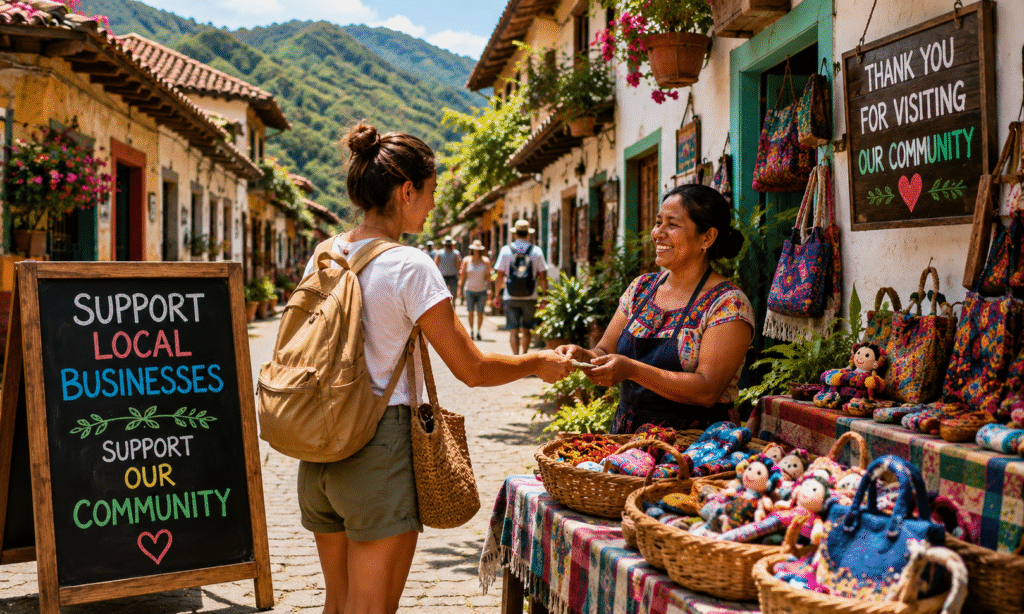
Typically, the tourist income has been limited to few known and treasured tourist centres and the main capitals. Avoiding a situation of concentrated tourist demand equalizes tourist spending throughout the region can be achieved by having a second city tourism. This opens up possibilities to the smaller cities to capitalise on the growth in tourism without putting pressure on its overcrowded counterparts.
Job Creation
Tourism has an opportunity to develop employment in various sectors due to the increasing demand for tourism. When tourists arrive, hospitality, transportation, food service and entertainment − and retailing − industries have the tendency to grow. The jobs provide services for local people and help to develop the local economy for destinations on the rise.
Sustainable Tourism Development
There were a number of interesting statistics on the second city: sustainable tourism contribution, where second city tourism was shown to be important in creating sustainable travel. Travel bubbles between different parts of the world have the potential to limit overtourism in this already overtourism-burdened metropolis by shifting traffic to alternative travel destinations. This allows the establishment of balance and segmenting popular destinations whilst promoting tourism development with responsible growth for new destinations.
Infrastructure Improvements
As the number of visitors and tourists grows, it stimulates local governments to invest in tourism facilities, and other digital services, public spaces and transportation. The improvements not only attract tourists, but improve their quality of life and make the destination even more interesting for tourists in the future.
Technology’s influence on uncovering secret urban treasures.
AI-Powered Travel Recommendations
The AI technology is enabling travelers to find the list of travel destinations that suits their interests, budget, and travel styles. Unlike traditional travel websites, they offer both less-known and more obscure travel destinations with unique features and experiences that will help you enjoy your trip.
Digital Accessibility
Navigating foreign language city maps and writing, taking a taxi, and navigating unclear cities is so much easier with online booking platforms, navigation mobile applications, language translation, and travel guides. With translation for all vehicles and a minimum of two languages on each vehicle, travelers can feel safe traveling to their new destinations without worrying about being able to communicate with them.
Conclusion
2026 is expected to be the most crucial travel year of the year not just for domestic tourists, but also those heading for the second cities. The tourism sector is becoming more focused on authentic travel experiences, ethical tourism and value for money, which makes hidden cities great alternatives to an over-congested capital and touristy places. The unique cultural experience, the rejuvenation of meaningful relationships with locals and the value for money, to cite a few, are keys to these destinations being unique either for their cultural offerings or local ties or for the value they offer.There are so many ways to make these places unique for their cultural experiences, to strengthen local partnerships, to increase the value offered by the tourism product, and to contribute to the development of responsible tourism. Technological advancements have made it easier than ever to create a wide variety of destinations to choose from, and it is likely that second cities will be a major part of the world’s tourism of the future.
Frequently Asked Questions (FAQs)
1. What is second-city tourism?
Second city tourism” arises when tourists would consider the other destination city in the country rather than the country where they are on tour, as the main tourist destination or its capital, respectively.
2. Why is second-city tourism growing in 2026?
This is happening increasingly because travellers desire something better or more distinctive for their travelling experiences, as opposed to the more over-familiar ones they would get in well-travelled capitals, and for a lower price.
3. Are second cities cheaper to visit?
Yes. The accommodation, transportation, food and entertainment are much more affordable than the popular tourist places.
4. In what way tourism in a second city is a help for maintaining sustainability?
It helps to limit the numbers in tourist crowds in visited areas, and promotes a more even distribution of economic gains.
5. What are some ways to find hidden gems that tourists can visit in cities?
AI travel tools, social media feeds, tourism websites and travel blogs are just a few resources that can help travelers locate new and unconventional travel destinations.