
 By Admin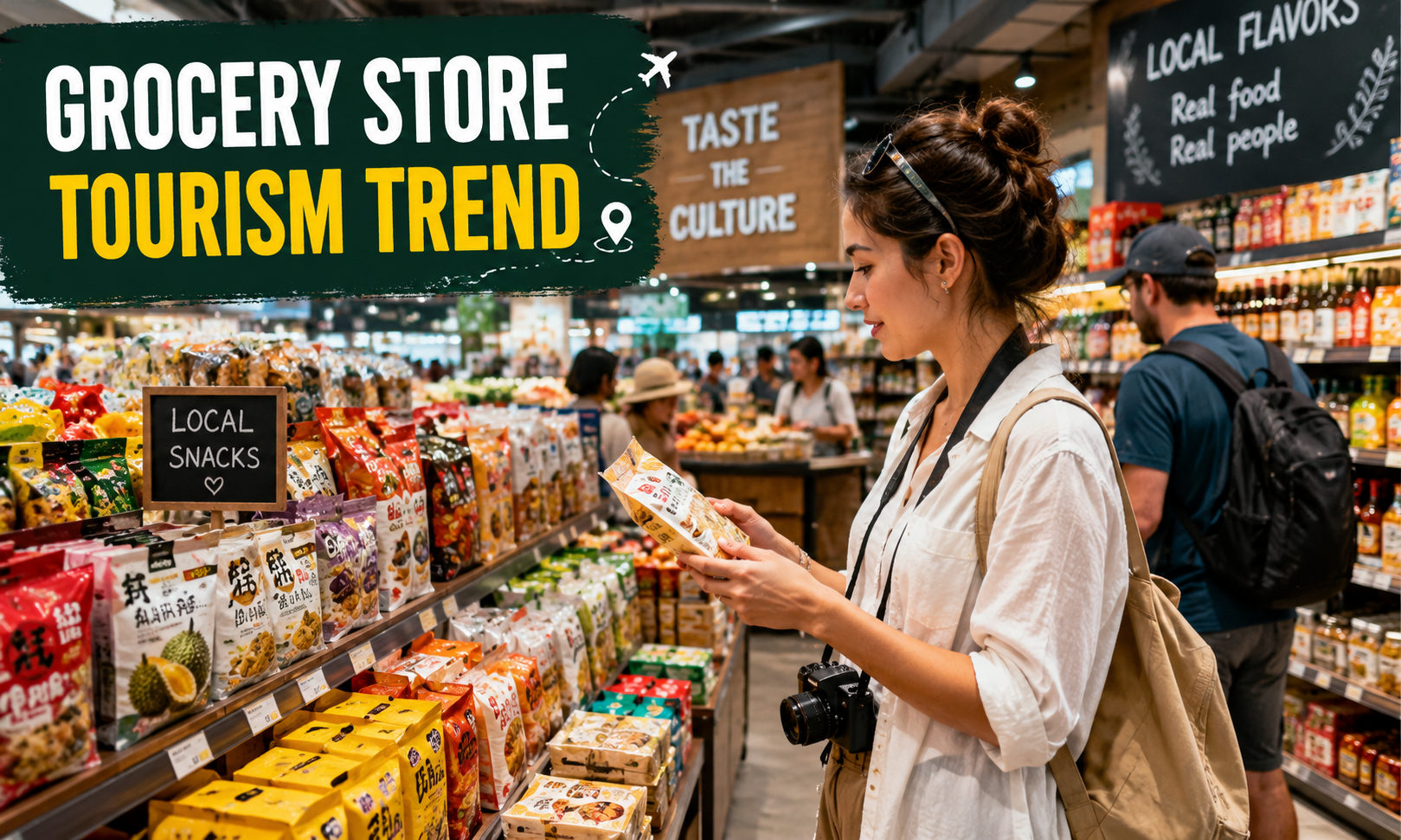
Hospitality tourism in 2026 will go beyond tourism.In 2026, the concept of hospitality is moving beyond sightseeing. Many travellers now visit the local grocery stores, supermarkets and food markets to learn more about the local way of life in a destination as opposed to spending all their time visiting popular tourist attractions. An increasing phenomenon of the times – Grocery Store Tourism – is a chance for the tourists to experience the culture in terms of food, shopping and local products.
Supermarkets are a place where modern travellers can get a glimpse of the life, eating habits and lifestyle of the local people. Grocery shops are turning into a fascinating destination around the world, from finding your way to discovering unusual items of food or fresh produce, or finding out about local cooking traditions.
Grocery Store Tourism (GST) is a growing tourist trend.
Grocery Store Tourism is the practice most people use while travelling to go to the local food stores, groceries and grocery chains. Visitors don’t just visit museums, monuments and popular sites, but get to know where locals get their basic necessities.
People have been promoted to discover this trend in social media, travel blogs and videos where travelers offer and retell adventurous food finds and cultural events within the supermarket. Food and drink items, spices and other specialty items are common mementos a visitor may buy, offering a more unique connection to the place than often a typical bead or T-shirt.
Consider a few reasons why grocery store tourism is on the rise in 2026.
Travelers are traveling to experience authentic cultural experiences.
Nowadays, many visitors turn to alternative travel experiences away from the destinations with a huge number of visitors. They’re interested in how people live in the areas in which they travel. Supermarkets reveal the lifestyles, eating habits, seasonal food preferences and consumer trends of the local people, which cannot be seen at the traditional tourist destinations.
Social media has become a popular way to discover food.
Travel blogs are a fantastic way for bloggers to promote weird foods, local products and unique supermarket products from other countries. Such videos garner many millions of hits and prompt travelers to venture to the grocery store on vacation.
Use the local products for better souvenirs.
So many tourists like to take back home the real articles of the cuisine rather than an ordinary souvenir. The local chocolates, spices, sauces, teas, coffees and any packaged snack items are all great ways of remembrance of a destination and a sample of another culture to share with friends and family.
The places travelers find themselves discovering when they enter the local supermarket.
Unique Regional Foods
Each and every country/region has products which are not readily available elsewhere. One can experience a traditional food and drink with ingredients from the region, local traditional drinks, specialty deserts and regional foods.
Everyday Consumer Culture
Supermarkets reveal aspects of everyday life. The prices, packaging designs, and most popular brands of the products and the shopping habits give visitors a hint to the economic and cultural conditions in the region.
Natural Local and Seasonal Foods
New fruits, vegetables, seafoods and baked goods are a good representation of what is grown or made in a specific region. This helps the travellers gain better insights into the customs and traditions of agricultural and food production in the region.
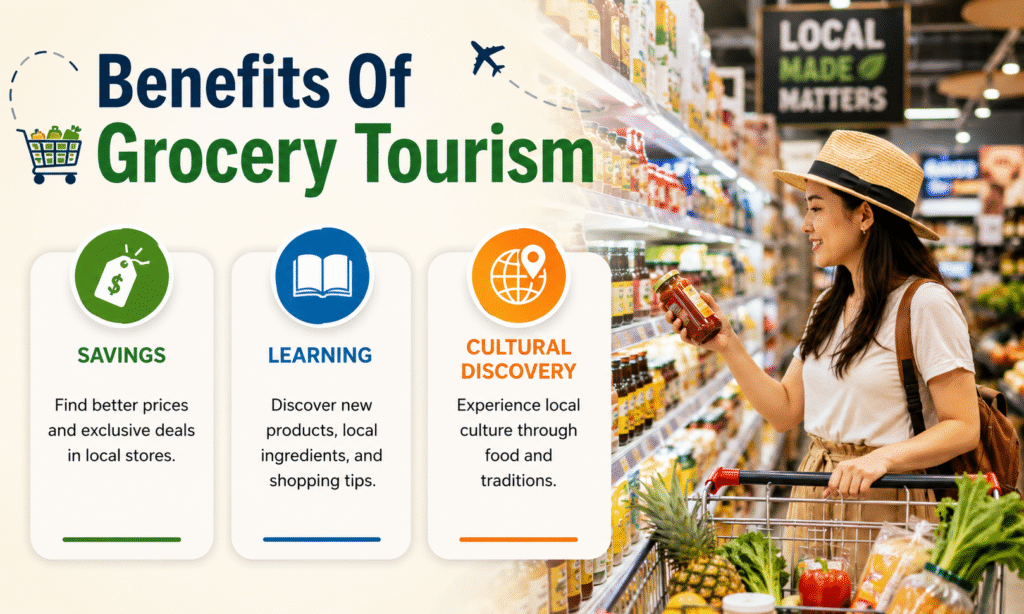
Grocery Store Tourism has proven to be beneficial to many in the following ways:
Budget-Friendly Travel Activity
Visiting the supermarket isn’t like visiting many attractions that need an entrance charge as you can enter free of cost. There is no extra fee associated with a cultural tour; travelers can enjoy a cultural tour without a lot of extra expense.
Educational Experience
An opportunity to observe and learn about nutrition, food systems and traditional nutrition and eating habits, as well as local consumer behavior that travellers will encounter through visiting local grocery stores. It’s an excellent and hands-on way of cultural education!
Opportunity to engage with locals
The natural environment of a supermarket allows the traveller to observe some or all of the inhabitants and interact with them. It’s common to start engaging in cultural exchanges through asking for recommendations of products or to find out about the local food products.
How a new trend is being helped by technology.
Now it’s easier than ever for the supermarket freaks to travel. Translation Apps are useful for travelers to understand labels, ingredients and nutrition facts with products. AI Travel Applications suggest local cuisine and places to shop that users are interested in.
Going around the supermarket shelves gets increasingly fashionable, and social media sites keep up the trend by showcasing handles that have good finds in the shops around the globe. Because of this, supermarkets are starting to be considered a type of traveling.
The Future of Grocery Store Tourism
Grocery store tourism is likely to expand as travellers seek experiences which are authentic and immersive, a trend that is likely to continue in the coming years leading up to 2026 and beyond. But experts foresee more of a trend towards tourists who seek to engage in activities in direct relation to local communities and the local way of life.
Rainbow restaurant walks are already available on the market and some travel companies have already begun to provide them. Such experiences attempt to blend culture with gastronomy and thus offer a new form of tourism welcoming today’s tourists.
Why grocery stores are the next tourist attractions.
While the attractions will always be important, it’s today’s travellers who are seeking more cultural mementos. Many of the landmarks in the city can’t show you the life of the local community that grocery stores can!
Wandering among the aisles of a supermarket, finding local delicacies and studying consumer behavior at supermarket level brings added dimension to the travellers experience of the place they have been visiting. Today, grocery store tourism is a phenomenon of different kinds and a road towards meaningful tourism, celebrating culture, food and life.
Conclusion
In 2026, “Grocery Store Tourism” is a new way to experience traveling, in which the regular supermarket becomes the hub of cultural discovery. People seeing how grocery stores are integrated into the local community, its food culture and consumer habits are realizing the full benefits of their shopping. There’s a trend towards more meaningful traveling experiences, and the supermarket, as one of the most interesting and convenient arenas to find out about a place beyond the tourist attractions, is steadily emerging as one of its new approaches.
Frequently asked questions (FAQs)
1. What is grocery store tourism?
Grocery store tourism is a new form of tourism that sees the attendance of tourists to local supermarkets and grocery stores as a means to gain an understanding of regional culture and lifestyle, as well as food.
2. Why are travelers visiting supermarkets in 2026?
People seek true and genuine cultural events, something different to eat and cost effective activities that give them a glimpse into local communities.
3. What kind of things do tourists do at district supermarkets?
Popular items are regional snacks, spice, drinks, chocolates, sauces, teas, coffees and regionals’ products, etc.
4. Can you get away from grocery shopping without spending too much money?
Yes. Most supermarkets are available for explore and travel, and can be recorrido for free, so that it is a cheap addition with other places to see.
5. In what way does grocery store tourism allow visitors to learn about local culture?
Supermarkets display local preferences, local shopping habits, local trends and local products and provide a true picture of real-life.