
 By John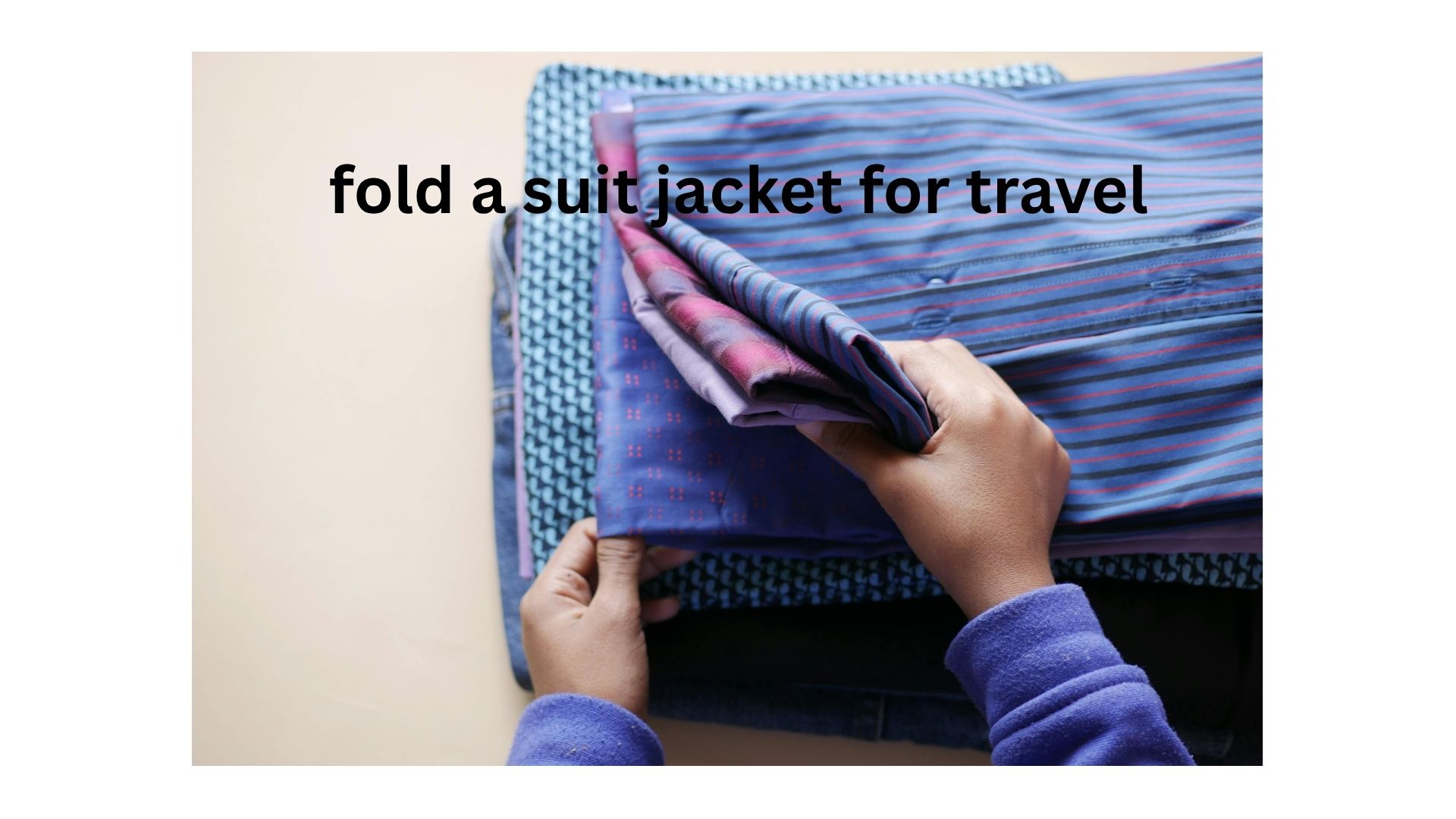
When it comes to business travel, maintaining a sharp look isn’t just about style—it’s about discipline, and from my experience, the best way to ensure your business attire stays presentable is by mastering a method that keeps your pieces less prone to wrinkles; I’ve handled everything from full suits to separate dress pants and collared shirts, and I learned the hard way that a single careless wrinkle in a tightly packed suitcase can ruin that perfectly pressed finish you want upon arrival at your destination, so instead of just tossing items in, I always carry either a garment bag or rely on smart folding techniques, which are not optional but rather mandatory if you want to avoid paying for emergency dry cleaning, and honestly, the process of learning how to properly fold a suit becomes second nature once you see how much time, money, and stress it saves on the road.
How fold a suit jacket for travel
Clean and press your suit before you travel
I’ve learned that even the most careful folding technique works wonders only when you start with a clean foundation, because preventing wrinkles during the traveling process is nearly impossible if your jacket already carries stains or creases from before; if your suit jacket isn’t in tip-top shape already, you’re just packing problems into your bag and hoping they won’t show up when you get there, so I always ensure I send mine to the dry cleaners at least a week before I leave, giving the cleaner enough time to handle proper presses on the suit while also removing any stubborn stains.
If I ever find myself pressed for time, I’ll iron the suit myself, but I take extra care to ensure the lapels are well-ironed, since poorly finished lapels can’t really hide wrinkles that may form elsewhere on the suit, and from experience, once those details are overlooked, it becomes nearly impossible to fix them on the go without professional help.
Turn the jacket inside out
One trick that completely changed how I pack is to turn the jacket around so the lining faces the outside, because this simple shift in how the fabric sits actually protects the actual outer fabric of the jacket from damage it usually incurs while traveling; by folding it with the softer inside layer exposed, you reduce direct pressure on the surface that people notice first when you wear it, and in my experience, this approach quietly minimizes wrinkles without needing any extra tools or effort.
Pop the shoulders inside out
The next move might feel unusual at first, but it’s something I always rely on—slide your hand inside the coat and gently push your fist into the shoulders until the lining pops out, creating those inside-out shoulders that make the jacket much easier to fold; once they’re popped, you’ll notice how much simpler it is to deal with the usual awkwardness caused by inward-facing shoulder pads, and from experience, this small adjustment makes a big difference in keeping the structure intact during travel.
Fold the jacket vertically
At this stage, I like to gather the shoulders with one hand while the other moves in to grasp the jacket near its midpoint just below the collar, creating a natural effect that guides the folding of the jacket in half lengthwise; as you do this, take a second to straighten the material so the folding stays clean, making sure the liner remains on the outside, because that small detail is what keeps everything looking sharp when you unpack.
Fold the jacket in half horizontally
To finish things off, I usually place the folded piece over my forearm to get a clean guide, then bring the bottom up horizontally toward the middle of the jacket, letting the top of the jacket naturally align as you fold; this helps create a roughly square bundle that not only looks neat but also fits easily into any suitcase, and from experience, this final step is what keeps everything compact without sacrificing the structure you worked to maintain.
Place the jacket in a plastic bag
From years of packing and unpacking in a hurry, I’ve found it’s a wise idea to protect your jacket before it even touches your luggage, so I always place it inside a plastic bag to keep it separate from other clothing; once you slide that neat, square folded bundle of your jacket into a large plastic bag—whether it’s a dry cleaning bag or a ziplock bag—make sure to seal it carefully, because that small step makes a surprising difference in maintaining its condition.
What really makes this trick work is how the bag acts as a handy sheet of sturdy plastic material, letting the folded jacket rest in the middle of the sheet while you fold the sides over the jacket, and by using a plastic bag, you subtly trap a bit of air inside the bag, creating a protective bubble that helps prevent other clothes in the suitcase from pressing against the jacket, ultimately eliminating wrinkles before they even have a chance to form.
Lay the wrapped jacket in your suitcase
1 Try to keep the suit as flat as possible and avoid compressing it, because from experience, that’s the simplest way to minimize wrinkling; I always place only folded clothing items on top of the jacket, keeping everything flat and controlled, since piling other items carelessly can undo all your effort, especially when it comes to awkwardly-shaped items like shoes, which are hard and notorious for placing pressure on the jacket if you’re not careful.
Unfold your jacket at your destination
As soon as you arrive at your destination, it’s essentially about retracing your steps from above in reverse—remove any clothes from the top, take out the jacket, open the bag, and carefully undo both the horizontal and vertical folds, then turn the fabric right-side out; if you’ve packed it well, wrinkling should be minimal, but to combat any wrinkles that remain, I always hang the suit immediately, and for more persistent wrinkles, a simple trick I often try is hanging the jacket in the bathroom during a shower, where the warmth and steam gently loosen the fabric, helping release even the most difficult wrinkles without needing an iron.
Guide about Folding Trousers
Fold the pants along their pleats
When it comes to packing, the simplest option for folding pants while traveling is to follow the natural structure already built into them, using a vertical lengthwise approach that works with the existing folds rather than against them; in my experience, this strategy is the best way to handle pants with pleats, since those pleats act like guides for clean vertical folds that are already sewn into the fabric from the waist down, making it much easier to align everything without second-guessing.
I usually match the pants along the pleats and then fold them vertically, which helps prevent a random wrinkle from forming across the long, continuous vertical lines where wrinkles are most noticeable after ironing, and as a final step, I fold the pants in half vertically again to save space while keeping the structure intact.
Roll the pants to save space
One of the big advantages of rolling pants instead of folding them vertically is how much space it frees up inside suitcases, especially when you’re trying to simply manage a big packing load without stretching your luggage limits; I’ve seen how folding pants the usual way can sometimes leave the entire pant leg looking overly pressed, which actually becomes one of the disadvantages when you’re optimizing space.
My usual method is to lay the pants on a clean, flat surface, first fold the pants in half vertically, then, starting from the bottom, roll the pant legs into a tight bundle that prevents unnecessary wrinkles by exposing only a minimum surface area of the pants; this approach makes the pants take up relatively little space in your suitcases, and compared to traditional folding, it keeps everything compact without sacrificing neatness.
Fold horizontally with caution
From experience, one great idea when handling suit jackets is to avoid careless folding, especially when dealing with dress pants, because even a small mistake can contribute to deep creases that show up later as a direct result of poor ironing; instead, I always fold carefully and horizontally, making sure the pants are aligned horizontally and sometimes even kept vertically first to minimize wrinkles, following simple rules that help minimize damage to fabric during transit.
In my routine, I place everything flat—starting with the folded suit jacket and other folded items on the top of the bag whenever possible—then carefully sandwich the pants between two sides of the folded suit jacket for better protection, sometimes even relying on an inside-out jacket technique so the inner fabric absorbs pressure instead of the outer surface; this method keeps the bag organized while helping avoid folding mistakes that could otherwise damage the shape of the garment.
Folding a Collared Shirt
To begin, button the shirt and lay it face-down on a flat surface
From my own routine when preparing for travel, I always start by making sure to button all the buttons on the front of the shirt, even when it’s not necessarily required, simply to keep everything aligned; then I next lay the shirt face down on a clean surface so the material is evenly spread and as flat as possible, with the sleeves properly stretched and adjusted, sometimes even using extra care like placing it over dry cleaning bags to reduce friction, and I always lay it squarely in the middle so the back of the shirt is fully supported, which ultimately prevents the shirt from unnecessary pressing when it gets folded, while also reducing the chance of wrinkles forming during packing.
Fold the edges of the shirt inward
From my experience, the cleanest packing starts when you make two precise vertical folds along the back of the shirt, then carefully bring the edges of the shirt inward so they meet at a roughly sleeve-length line; I always pause here to straighten the edges of the shirt so everything stays uniform and parallel, because once those lines are aligned properly, the structure holds far better during travel and reduces shifting inside the luggage.
Fold the sleeves down along the new edges
The next step I always follow is to take each sleeve and carefully fold it so it naturally lines up with the folded edges of the shirt, making sure every shirt edge meets the intended line that forms the new outer edge; once the shirt material is folded inward, I check that each sleeve sits cleanly along that edge, and I often make minor adjustments with gentle straightening of the fabric where necessary so everything lines up perfectly.
As a rule of thumb, I keep the shirt balanced from the shoulders down so nothing feels uneven or shortened by even an inch, and I always ensure the two sides of the material stay aligned right up toward the collar, because once both sides sit flat and symmetrical, the entire fold becomes far more stable and easier to pack without shifting inside luggage.
Consider packing the shirt as-is
From experience, I’ve found that dress pants and dress shirts behave very differently in transit—while dress pants often show long, continuous, vertical creases that resemble the result of ironing, the latter can generally look fine even with slight horizontal folds, which don’t always resemble poor ironing in the same way; this contrast between the former and latter is exactly why I sometimes prefer not over-manipulating the fabric.
When packing, if there’s nothing left in the suitcase with enough room, I simply place the shirt next to a soft fold inside the bag, especially when dealing with a big load that must hold the shirt in its current, partly-folded state without bunching at the bottom of the shirt, making sure the bag is covered by the jacket since it’s important to keep everything as wrinkle-free as possible without forcing unnecessary structure changes.
Fold the shirt horizontally in half
At the beginning of this method, I always grab the collar and make sure all buttons are secured, then I bring the sleeves and shoulders into a controlled halfway-folded position before carefully deciding to continue the folding by aligning everything so the shirt stays centered in the middle; this helps avoid the effect of slipping when the fabric starts to shift against itself, which I’ve seen happen too often when rushing.
Next, I gently flip the fabric so the bottom edge meets the top, forming two halves that stay aligned inside a nice, tidy square, sometimes even using a dry cleaning bag or a flat cardboard insert to protect the structure and reduce pressing, because my experience has shown that this method works best when trying to save space in a suitcase while keeping the folded shirt stable and minimizing wrinkles as it rests flat among other items.
Place the shirt in a bag
From my own packing routine, I always start by taking the folded shirt and carefully choosing either a dry cleaning bag or a large ziplock bag, then I place the shirt inside and seal the bag so it can gently trap a bit of air, which I’ve noted over time tends to create a protective bubble around the fabric; even a small amount of air space like this can significantly help prevent unwanted pressing inside a crowded suitcase, especially when packed along with other items.
The goal is to keep everything resting softly on the interior layer of the bag so friction is reduced, and from experience, this simple step makes the difference between arriving with a clean finish or dealing with unnecessary creases formed during travel.
Lay the shirt in your suitcase
I always Ensure the shirt is placed face-up inside the suitcase, because when nothing heavy or hard is packed on the top, it helps maintain the structure; ideally, I position the shirt so it is gently surrounded by other flat folded items and soft fabric clothing, which reduces pressure during travel and keeps everything stable until arrival.
Once I unpack the suitcase, I immediately inspect the shirt for any wrinkles, and if needed I hang the shirt immediately or use quick iron or pressing services to restore a clean, smooth fabric finish so it looks sharp again before wearing.
Conclusion
In conclusion, mastering how to fold a suit jacket for travel is less about a single trick and more about combining a series of careful, intentional steps that protect both structure and fabric throughout the journey. From preparing a clean, well-pressed suit and turning the jacket inside out, to aligning shoulders, folding with precision, and using protective layers like garment bags or plastic covers, each action works together to reduce wrinkles and maintain shape. When packed thoughtfully inside a suitcase—balanced with softer items and laid in a way that avoids pressure—the suit arrives in far better condition. With a little practice, these techniques become second nature, ensuring you step off the plane looking as sharp and composed as when you left.