
 By Admin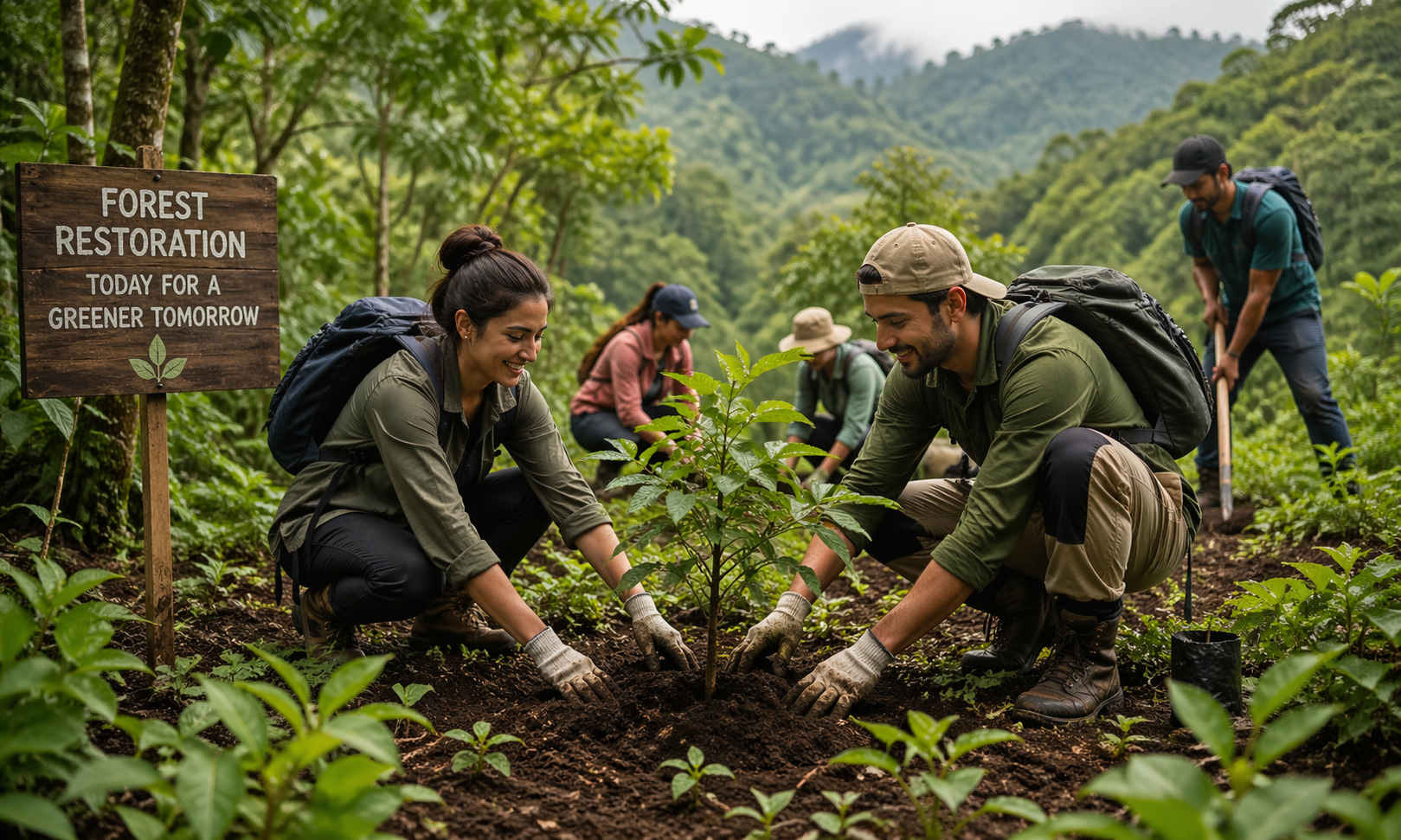
There is no longer any exploration in traveling, but it is becoming a duty. Due to the increasing environmental and cultural issues, a new practice known as regenerative travel is transforming the way individuals interact with the world. This is not just about harm reduction, and instead, it aims at restoring the ecosystems, empowering communities and leaving destinations in a better state than they were.
What is Regenerative Travel?
Regenerative tourism is an innovative concept of tourism that is more than sustainability. It tries to make the destinations that the travelers explore a better place to live through restoring nature, promoting the local cultures and developing purposeful and long term benefits.
Regenerative Travel Core Philosophy.
The concept of regenerative tourism is based on the notion that tourism can be a positive force. It promotes the engagement of travelers with destinations, empathy of their local issues, and inclusion in the solution. This attitude makes traveling rather an active process rather than a passive event that can positively impact visitors and the host societies.
Environmental Restoration Focus
Healing natural ecosystems constitutes one of the key elements of regenerative travel. This encompasses planting trees, animal preservation and saving of marine life. Tourists are likely to engage or contribute to projects that restore biodiversity and enhance environmental balance.
Cultural and Community Strengthening.
Regenerative travel is focused on the respect of local culture and community and makes sure that local communities receive direct benefits of the tourism. It encourages equitable pay, local stock ownership, and cultural safeguarding, enabling communities to not only stay true to their cultural identity but also enhance their livelihoods.
Values of Regenerative Travel.
- Leaving the destination with more than you have taken.
- Giving back to local communities and economies.
- Engaging in environmental clean-up activities.
- The value and protection of cultural heritage.
- Dwelling on the positive effect on the long-term, as opposed to the short-term.
The differences between Regenerative Travel and Sustainable Travel.
Whereas sustainability is concerned with balancing and minimizing the negative effect, regenerative travel goes a notch higher to the extent of enhancing and rejuvenating destinations.
Key Differences Explained
Sustainable travel is geared towards harm reduction, e.g., waste reduction or resource conservation. However, regenerative travel goes further and heals the already damaged stuff. It moves away the less harm to more good, resulting in a net positive impact on nature and society.
The significance of this Evolution.
Overtourism and climate change are already adversely impacting the environment of many destinations. It is no longer possible to just maintain the status quo. Regenerative travel fills this gap by proactively investing in recovery and resilience, so that destinations will be able to prosper in the future.
Sustainability vs Regeneration
- Sustainability is concerned with lessening environmental degradation.
- Regeneration is aimed at rehabilitating ecosystems and communities.
- Sustainability ensures balance in tourism activities.
- Regeneration gets better and increases the current situation.
- Negative impact is constrained by sustainability.
Regeneration brings about good, sustainable change.
Practical Regenerative Travel Effect.
Regenerative travels are already impacting around the world. Eco-lodges are reclaiming degraded land areas, travelers are assisting in rebuilding the coral reefs and communities are leading tourism programs that ensure the preservation of their culture and environment.
Community-Led Tourism Models

The local societies are now developing tourism experiences that directly impact them. Tourists also participate in real activities like farming, craft-work and cultural exchange; this way the tourism revenue remains in the community and it helps in sustainable development.
Regenerative Hospitality Practices
Lodges and hotels are moving towards regenerative activities such as use of renewable energy, water conservation and restoration of habitats. These accommodations do not only minimize their footprint, but also actively help in enhancing the surrounding environment.
Conservation of Wildlife and Biodiversity.
Regenerative travel also sponsors the conservation and rehabilitation of endangered species and habitats. The tourists will be able to contribute to environmental protection, and their trips will have a significant and informative impact.
The Regenerative Travelers Can Be Practiced in The Following Way.
Tourists are key to the success of regenerative tourism. Through conscious decision making they can be used to bring about a significant change.
The steps to be taken by the travelers in practice.
By selecting local businesses, an economy gets stronger and the money remains in the community. Engaging in conservation activities like planting trees, or cleaning the beach, enables the traveler to contribute directly toward environmental restoration. By fidelity to local culture and practices, cultural ties are strengthened and erosion of the cultures is avoided.
Slow and fewer destinations are more environmentally friendly and enable more interaction. The choice of where to stay should be made according to the priorities of sustainability and regeneration so that your stay would help to improve the environment.
Regenerative Travel Challenges.
Regardless of the advantages, regenerative travel has not reached maturity and has a number of obstacles.
Issues of awareness and accessibility.
Not all travelers know about regenerative travel and how to exercise it. This is because of the lack of awareness, which restricts its uptake and retards its expansion.
Risk of Greenwashing
Other companies pretend to be regenerative in an effort to market themselves. It complicates the ability of travelers to find authentic initiatives and can decrease the confidence in the idea.
Cost and Scalability
The ethical and sustainable aspects of regenerative traveling can make it costlier at times. Moreover, it is not an easy task to scale such models to fit a large number of tourists without altering their authenticity.
Conclusion
Regenerative travel is a strong change in the attitude to tourism. It goes beyond harm reduction and makes efforts to restore the environment and aid communities. Through such an attitude, passengers will be able to make their trips significant and leave a positive legacy by making a lasting change.
Regenerative travel can transform global tourism as more people become aware of it. It provides a future of not only exploring new destinations, but also ensuring they prosper to generations yet to come.
Frequently Ask Questions (FAQs).
1. What is regenerative travel?
It is a type of tourism which concentrates on restoring and enhancing destinations instead of merely lessening damage.
2. What can I do to engage in regenerative traveling?
You can patronize local enterprises, engage in conservation and book environmentally friendly rooms.
3. Does regenerative travel cost a lot?
It may be a little more expensive, however, there are numerous cheap alternatives and experiences of community living.
4. Why is regenerative travel important?
It assists in the restoration of ecosystems, sustaining the local communities, and making destinations sustainable in the long-term.
5. Will regenerative travel be able to be adopted by all travelers?
Yes, regenerative values can be implemented in any form of travel, whether it is budget or not.