
 By Admin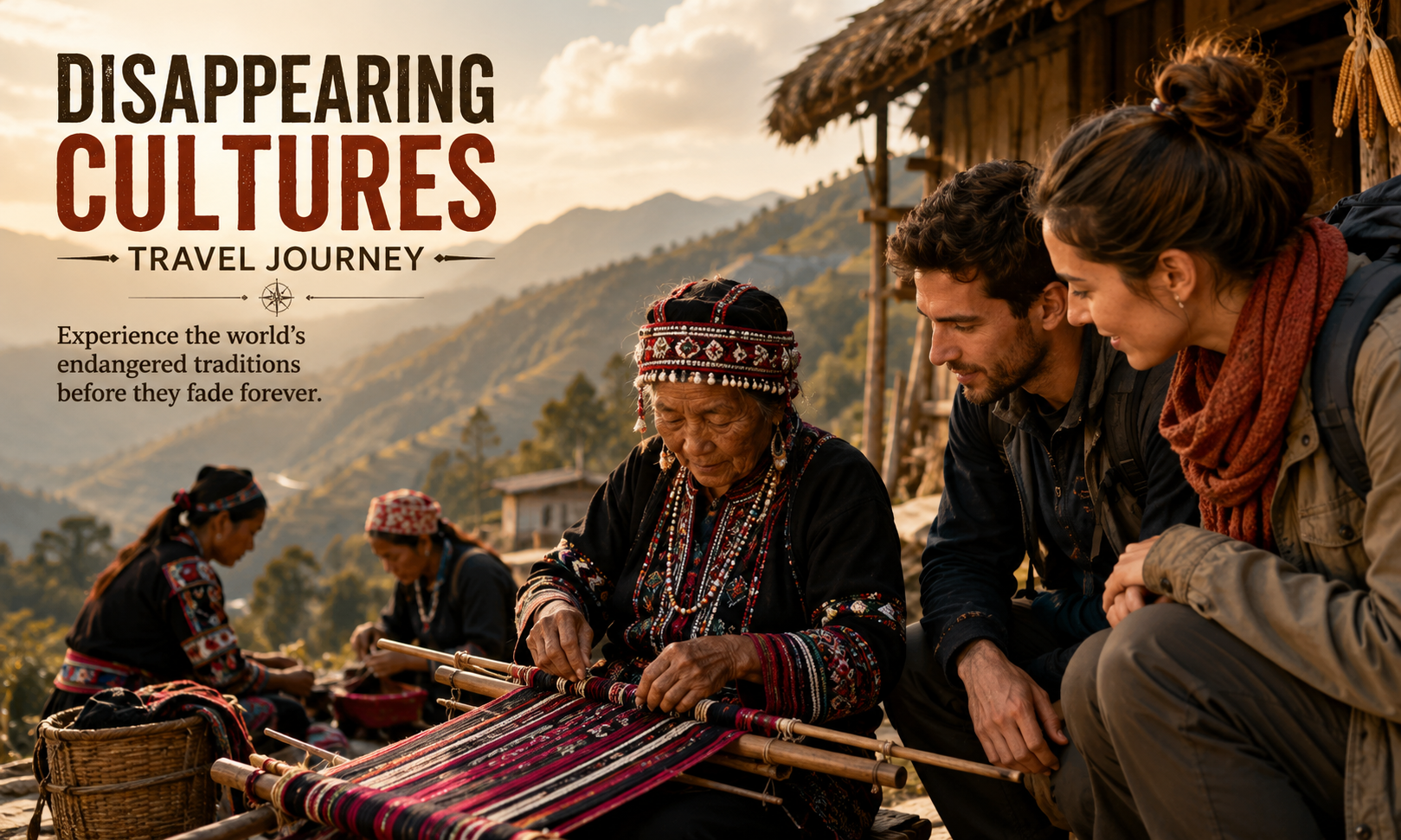
In a world of globalization, rapid urbanization and digital transformation many traditional cultures are at an unevaluated crossroads. Languages, customs, festivals, crafts and indigenous ways of life which have existed for centuries are dying out. Out of this has grown what is known as Vanishing Cultures Tourism, a type of cultural travel which sees people visit communities, regions and destinations to experience what they think are and in many cases are — the last of their kind.
Unlike traditional tourism that puts its focus on popular landmarks and attractions, vanishing cultures tourism is about in-depth cultural experience. Travelers look for the chance to learn from local communities, take part in traditional practices, and play a role in the preservation of cultural heritage through responsible tourism.
What is Cultural Immersion tourism which has a focus on dying cultures?
Vanishing cultures tourism is that which focuses on communities whose traditional ways of life are in danger of dying out. These cultures may fall prey to modernization, migration, climate change, economic pressure, or declining interest among young people.
The goal is to step out of one’s comfort zone and into the heart of local cultures which in turn supports that culture’s preservation. Travelers report back with very special stories of ways of life which are in fact becoming a rarity in our globalized world.
Traditional cultures are dying out.
Also many of the elements that lead to decline of traditional cultures which are today’s issues.
Globalisation.
Global media and tech which in turn present a world wide culture tend to put out of practice local customs which in turn see a shift towards more uniform ways of living. Also it is the younger generations which tend to embrace global trends which in turn dismisses the ancestral traditions.
City Migration.
Many out of the youth are leaving rural areas for education and job opportunities. As populations go down traditional knowledge does not pass down well.
Climate Crisis.
Environmental change causes some indigenous groups to leave their traditional areas which in turn breaks up familiar cultural practices that are very much a part of the land.
Financial Issues.
Traditional crafts like weaving, farming, pottery, and storytelling which do not bring in as much money as modern industries are thus less appealing to young people.
Language Decay.
Thousands of indigenous tongues are at risk around the world. Upon the death of a language, also goes with it a great deal of cultural information and identity.
Popular cultures are dying out of tourism too.
Travelers interested in cultural conservation tend to go to places which still practice traditional ways.
First Nations Communities.
Many communities preserve their own unique customs and spiritual practices. Responsible cultural tours which in turn allow visitors to learn from community members.
Distant Mountain Villages.
Mountain regions see to it that which is traditional in terms of architecture, clothing, cuisine and festivals is preserved which has in some cases not changed for years.
Conventional Craft Centers.
Regions that produce handwoven textiles, pottery, wood carvings, and metal work also present chances to see artisans at work and support local economies.
Heritage Festivals.
Traditional festivals present music, dance, rituals, storytelling, and local customs which display a community’s cultural identity.
Benefits of Cultural Heritage Tourism.
When done responsibly this form of tourism can create positive results for travelers and local communities.
Cultural Conservation.
Tourism, which is a source of income for many, is also see as a factor which encourages communities to preserve their traditional customs which in turn pass down knowledge to the younger generations.
Economic Growth Opportunities.
Local artisans, performers, and small scale business owners see the most from visitor spending.
Learning experiences.
Travelers have a greater appreciation of cultural diversity, history, and human traditions which goes beyond what is presented in books or the media.
Community Empowerment of the people by the people.
Responsible tourism sees communities take charge of how their culture is put forward to visitors.
How to travel sustainably.
The key to vanishing cultures tourism is that it be conducted with respect and ethics.
Observe Local Culture.
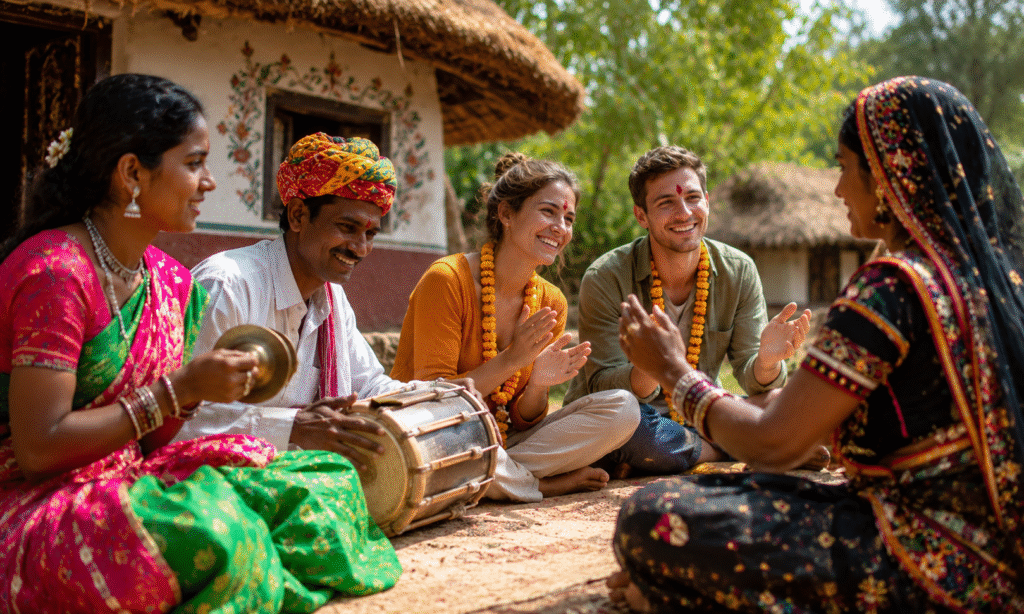
Before you go, study up on cultural norms. Also follow local rules which pertain to photography, dress, and participation in rituals.
Support Your Neighborhood Businesses.
Buy out of hand crafted items direct from the artisans and when you can choose to stay at locally owned accommodation.
Pursue Community Driven Experiences.
Support local community run tours and activities over that of large companies.
Prevent cultural exploitation.
Travelers are to engage in cultures with respect instead of using traditions as a form of entertainment or social media content.
Learn and Hear.
Approach cultures with an open mind and humility. Engage in what they have to offer which in turn makes your interaction more meaningful.
The coming years of Cultural Preservation via Tourism.
As more people look for real life experiences which are not contrived, vanishing cultures tourism is playing a key role in conservation. While technology and globalisation transform the world, what we see is that responsible tourism is a force which allows communities to keep their traditions alive as they adapt to present day issues.
The upcoming of this travel trend is in the balance between cultural protection and visitor access. What we will see is that sustainable tourism practices, community leadership, and traveler awareness will be key to the preservation of cultural heritage for the generations to come.
Q&A which is frequently.
What is the concept of Vanishing Cultures Tourism?
Vanishing cultures tourism is going to places which are home to traditional cultures that are in danger of fading away due to modernization, environmental change, or social issues.
Why do we see the loss of traditional cultures?
Factors that play into the decline of traditional cultural practices are globalization, urban migration, climate change, economic issues, and language loss.
Is it ethical to promote tourism for Vanishing Cultures?
Sure, when we see travelers that are respectful of local customs, which include supporting community based projects and which also see to it that they are not part of exploitative practices, we have a positive impact on culture.
How do we as travelers play a role in cultural preservation?
Traveling is a chance for people to support conservation which they can do by using local guides, buying into hand made crafts, which are authentic, respecting culture and heritage, and which is also better done through community based tourism.
What sets this trend apart?
Unlike traditional tourism which does so this is of a more cultural, heritage and community oriented nature which also includes preservation of at risk traditions.