
 By Admin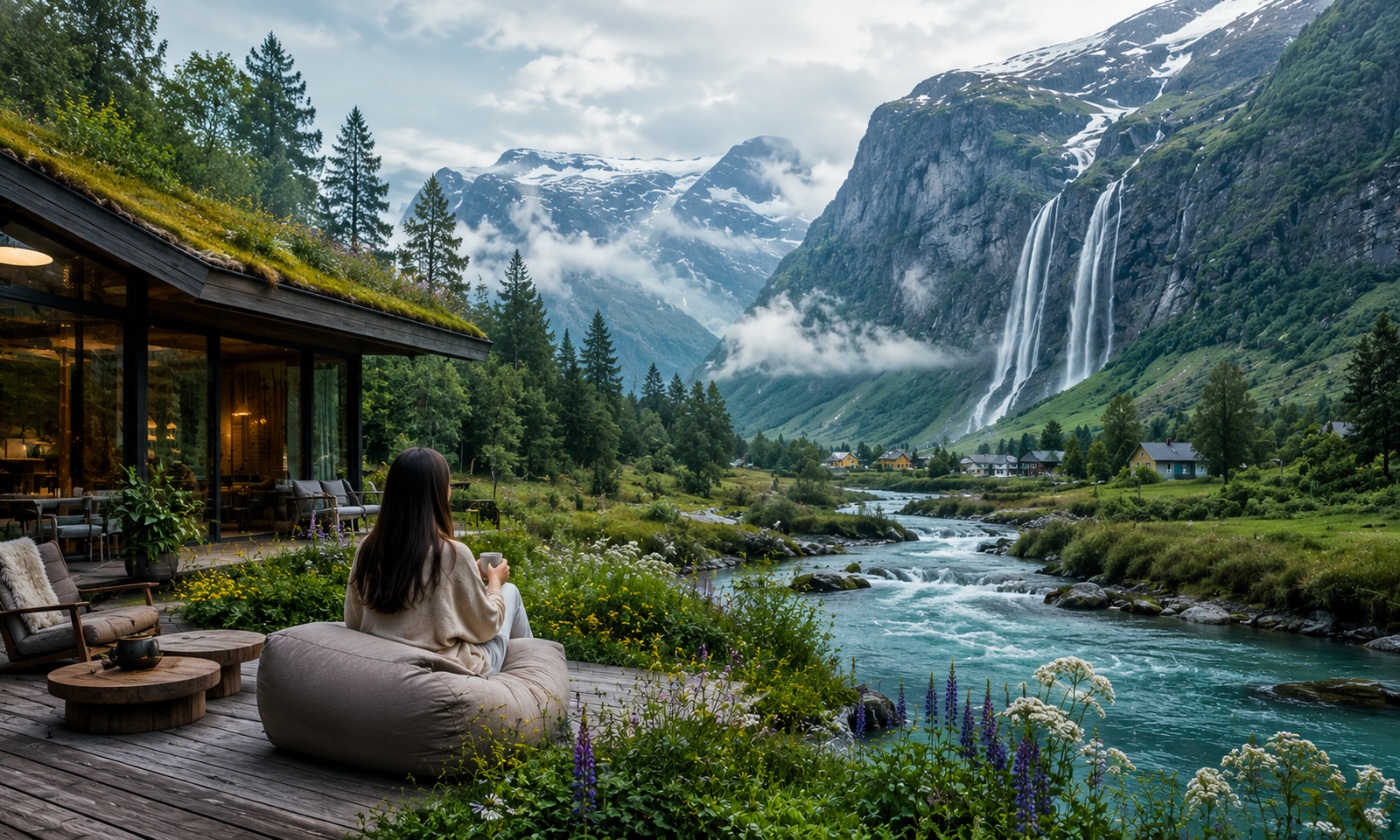
As we see the world break temperature records which in turn see to great change in travel trends which they are. In 2026 summer of 2026 we saw the emergence of heatwave escape tourism, a trend in which travelers are going the opposite route of what we have seen in the past of the hot weather beach vacays. Instead of subjecting themselves to the extreme heat people are going for mountain getaways, the northern parts of countries, forest destinations and lakeside towns which are reported to have more moderate temperatures and great outdoor activities.
Climate change, heat waves which are of a broken record style, and also as a result of increasing health related weather issues which we are aware of is changing how we plan our vacations. We are now for instance looking at what the weather will do in terms of temperature by season in addition to hotel rates and flight options before we book.
In 2026 which sees an increase in Heatwave Escape Tourism.
Record Summer Heat
Many at present see that we had abnormally high temps in our recent summers. We had reports of extreme heat which made the tourist experience less enjoyable, raised the risk of heat related illness and in turn decreased the appeal of large urban centers at the peak of tourist season.
Climate-Conscious Travel Planning
Travel which to a greater degree is becoming aware of the changing climate. We see that instead of putting their attention only on popular sites, travelers are looking into average temps, air quality, wild fire risks, and local weather conditions which in turn are making their decision for which to book.
Better Remote Work Flexibility
Remote and hybrid work is supporting people to stay in cooler locations for longer. Many professionals are now what we may term to be working vacationers spending several weeks in mountain towns or northern destinations which see pleasant weather well into summer.
Popular Types of Cooler Destinations
Travelers leaving the heatwave behind are choosing destinations which have cooler temperatures and outdoor options.
Mountain Retreats
Mountain areas still do well as a choice for vacationers which is in great part due to the fresh air, beautiful hiking trails, waterfalls, and also the cooler temperatures we see in comparison to nearby cities.
Northern Coastal Regions
Northern coastal areas which offer cool sea breezes as opposed to the hotter climates found in the south which are home to many beaches. Also tourists can be seen to walk, cycle, go kayaking, and try out the local seafood in this more moderate weather.
Forest and Lake Escapes
National parks, forest lodges and lakeside resorts are a hit with travelers looking for a break which includes peace and quiet as well as great wildlife viewing. Also these are great options for families which are looking to get away from the busier tourist spots.
How Travelers Are Planning Around Weather
In 2026 weather will be a key travel planning issue.
Many travelers now: Presently many travelers:.
- Compare average daytime temperatures before booking.
- Monitor heatwave forecasts several weeks ahead.
- Choose properties which have natural cooling and energy efficient features.
- Plan outdoor activities in the early morning and evening.
- Buy into flexible travel insurance for weather issues.
Travel companies are presenting also to which are the “cool climate” vacations and putting forth destinations that have mild summers.
Sustainable Travel Is Supporting the Trend
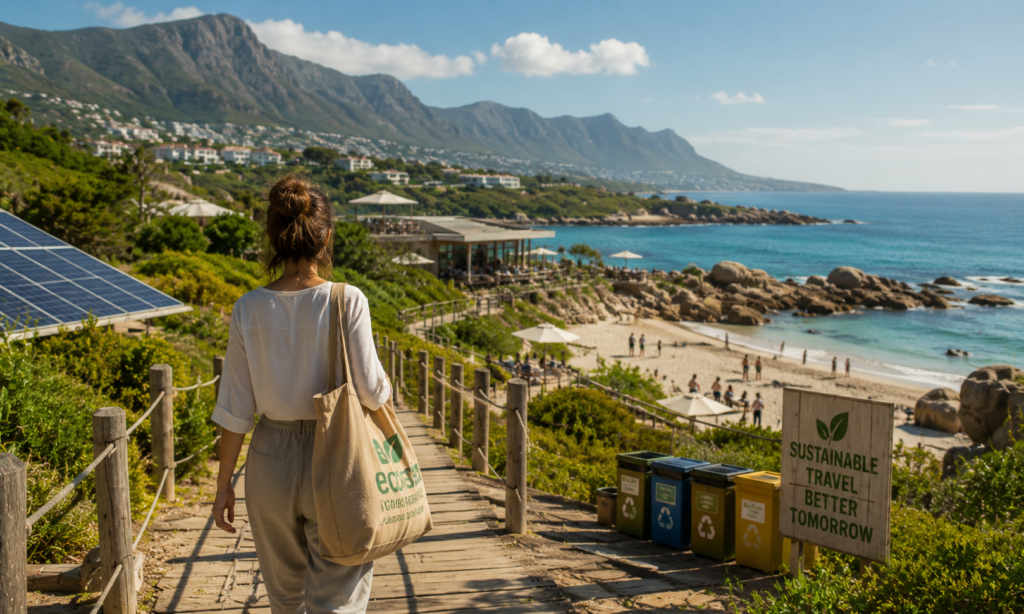
Heat wave tourism which is a growth area is very much a part of sustainable tourism. We see a trend of guests seeking out places which preserve forests, lakes, wildlife and natural habitats.
Many at present see to it that what they put forward is the use of renewable resources, responsible water management, local food options, and outdoor activities that are in fact environmentally friendly. Travelers report they do better when they get comfort along with environmental responsibility.
Economic Benefits for Cooler Destinations
The increasing demand is bringing to light new opportunities for areas which have had less summer tourism in the past.
Local businesses, hotels, restaurants, outdoor adventure providers, and tour operators are reporting higher than average numbers in what used to be the low season. Also we see communities putting in more hiking infrastructure, cycling paths, wellness retreats and natural based experiences to deal with the large increase in tourist traffic.
This change also sees a more even distribution of tourist traffic which in turn reduces the pressure of large crowds in destinations that experience extreme summer heat.
What is made and why Heatwave Escape Tourism is here to stay.
The phenomenon of ‘Escape Tourism‘ to escape a heatwave is no longer a fleeting phenomenon. With the world warming up, more and more tourists are opting for cool, clean and pleasant outdoor places to stay. Mountain areas, northern shore lines, forest havens and lake towns are emerging as hot spots for vacationing in the summer since they offer a healthier and more comfortable alternative to the heat.
Meanwhile, the tourism industry and local communities are coping with this increasing demand by encouraging sustainable tourism experiences, eco-friendly lodging and tourism based on nature. With climate change affecting travel choices, heat-wave escape tourism is likely to be a long-term transformation for the global tourism industry, and will push for healthier, responsible and environmentally friendly summer trips.
Frequently Asked Questions
What is heat wave escape tourism?
Heat out of home travel for summer which is a term used when you go to places with natural cooler climates to get away from extreme heat and enjoy better outdoor activities.
In what way has this travel trend become popular in 2026?
Rising temperatures around the world, longer heat waves, remote work options, and raised awareness of climate change’s role in travel issues is prompting travelers to seek out cooler getaways.
Which locations do people prefer for getting away from the heat in the summer?
Mountain areas, northern coastlines, forested retreats, lakeside getaways, and national parks are very popular for summer travel.
How do you prepare for a heatwave vacation?
Travelers should check the weather reports, pack in layers, book your accommodation in advance, and choose outdoor activities which suit cooler weather.
Is heat wave travel fun and eco-friendly?
When it comes to travel one may see that which is the case when guests choose eco friendly accommodation, support local businesses, minimize waste, and get into sustainable outdoor tourism activities.