
 By Admin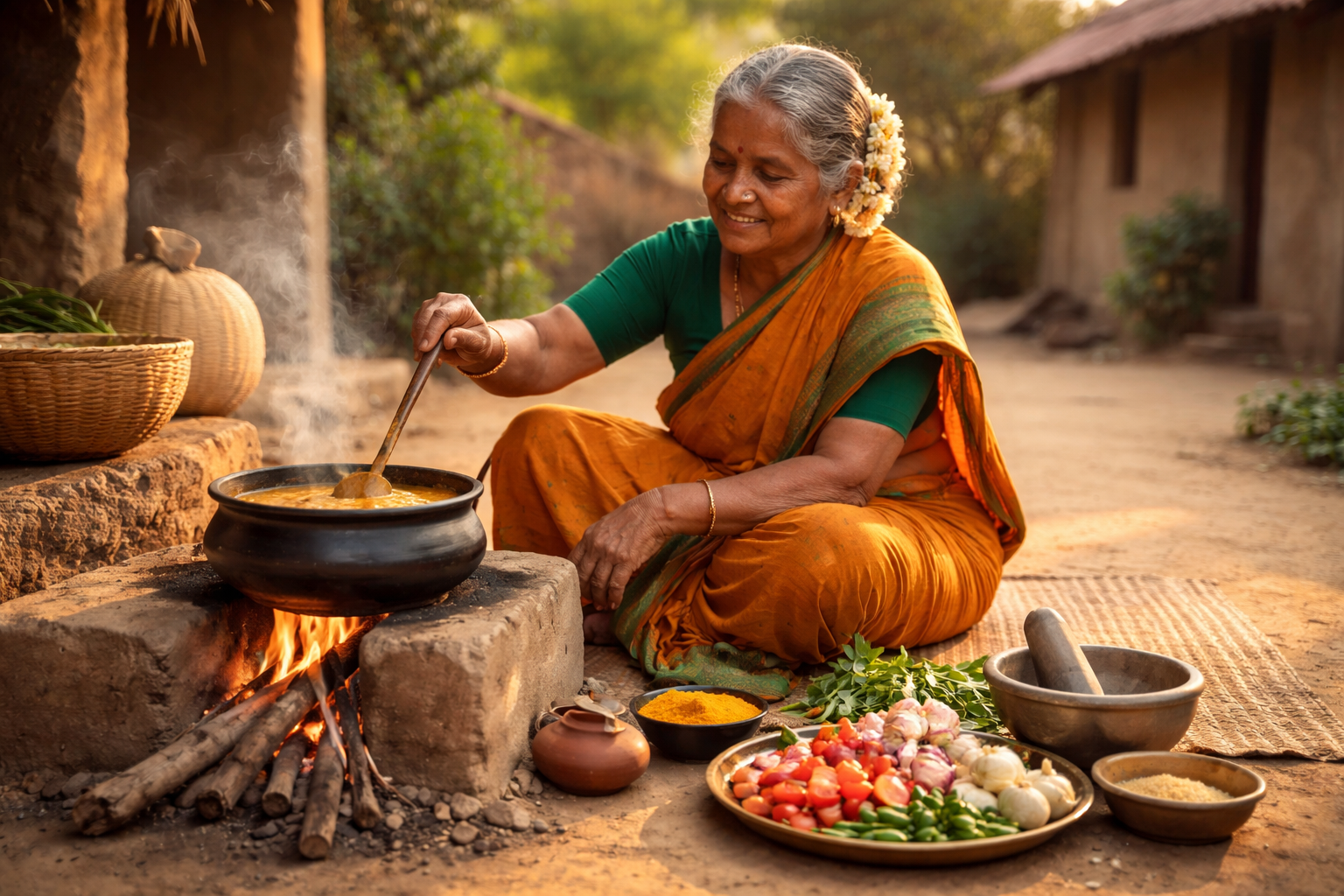
Indian cuisine is a living museum of culture, history and tradition. Millennia after millennia, an innumerable number of recipes flourished in village kitchens without any written documentation and were instead maintained through oral tradition and the seasons. During urbanization and the shifting lifestyles however, most of these dishes were forgotten. A wonderful revival is being made to-day. The forgotten Indian recipes are resurfacing both in the households as well as in the digital platforms, restaurants and the worldwide food discourse. This renaissance can be seen as a more profound change: people are returning to the realness, sustainability and the emotional value of food.
The Reason Forgotten Recipes Are Back.
- Increasing popularity of cultural roots and heritage food.
- Increased knowledge of conventional food and health.
- Impact of social media and digital storytelling.
- Heightened national and local pride.
- Move to sustainable and local products.
Cultural Reconnection
Food in a fast-paced globalized world has been a potent means of reclaiming oneself. The old recipes have tales of the ancestors, celebrations and the local traditions. Cooking these foods, people are not only cooking, they are reminiscing and saving heritage. The main factor that has contributed to the rediscovery of the forgotten foods is this emotional connection.
Awareness of Health and Nutrition.
Contemporary consumers are increasingly becoming health conscious and are after natural and nutritious foods. Millets, lentils and fermented ingredients and seasonal vegetables are common in traditional Indian recipes. These are very good sources of fiber, minerals and probiotics and are very beneficial to the overall well-being. Because of this, there are numerous recipes which have been pushed to the back burner and are now being called superfoods.
Trending Forgotten recipes are on the rise.
- Bajra Raab of Rajasthan with the advantages of immunity.
- Khar of Assam demonstrating special cooking with alkalinity.
- Patrode of Himachal with colocasia leaves.
- Kulthi Dal of Uttarakhand is full of protein and minerals.
- Jackfruit Curry popular as plant-based meat alternative
Plate Regional Diversity.
The lost recipes of India emphasize the amazing local diversity. Every meal is a representation of the local weather, farming, and customs. As an illustration, Bajra Raab will suit well desert climates, and Khar will depict the resourcefulness of Northeast Indian cuisine. These are not merely recipes, but a geographically and lifestyle-inspired solution to meals.
The Rural Kitchens to Urban Menus.
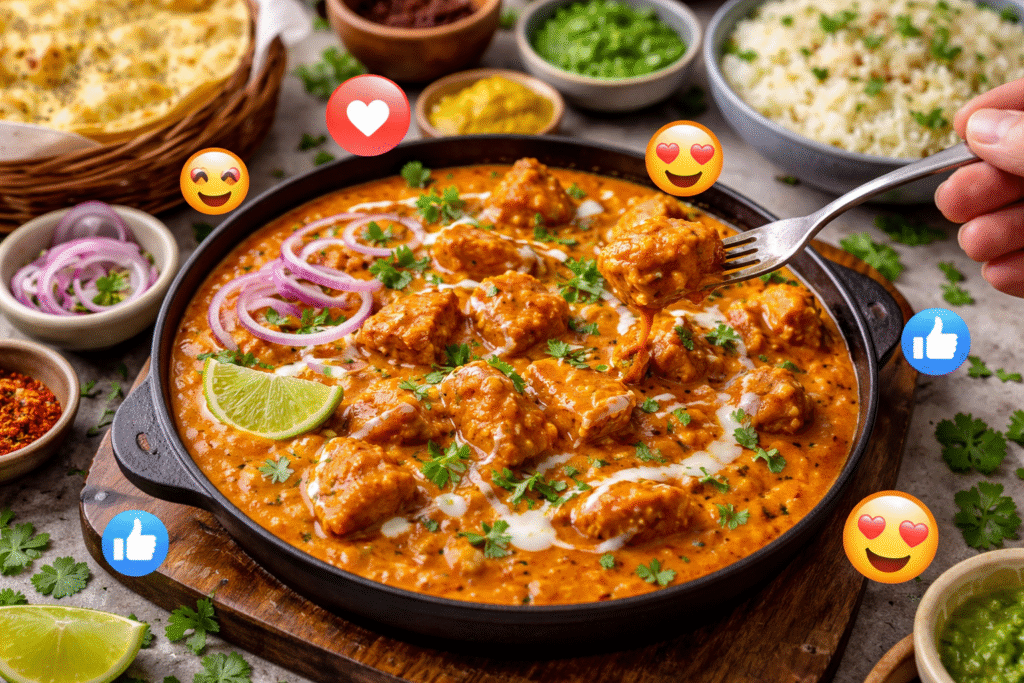
What was deemed as simple or even outdated, is being paraded in urban areas. These dishes are being introduced into the modern kitchens by restaurants and home cooks and usually with an added touch of presentation without the authenticity being lost. Such a shift to urban areas has been instrumental in ensuring these recipes go viral and are appreciated by many.
The Modern platform role in Revival.
Digital Content and Storytelling.
Food bloggers, YouTubers, and influencers are recording some of the rare recipes and posting them to their audiences all around the world. They are making traditional cooking methods and personal narratives, which might otherwise be lost. Viral videos and reels have made even simple dishes in villages to be global trends.
Culinary Innovation
Contemporary chefs are also experimenting with lost recipes, combining the traditional and the new. They make these dishes more palatable to younger generations by adding a few adaptations on its presentation and flavor without abusing its spirit.
Problems with the preservation of traditional recipes.
Destruction of Oral Traditions.
Lots of traditional recipes were not written, they were taught orally by one generation to another. With the changing lifestyles and the increasing nuclearity of families, this chain of knowledge is becoming weaker, and difficult to preserve.
Accessibility and Change of Lifestyles.
In the city, there is hardly enough time to do any fancy cooking. Also, not all of the traditional ingredients can be readily found in urban areas, which complicates the process of re-creating the traditional recipes.
Future of Forgetting Indian Cuisine.
Modernity in Tradition and Needs.
The way forward is to make the old recipes applicable in contemporary lives. Streamlined cooking techniques and replacements of ingredients as well as fusion can assist in maintaining relevance of these dishes without taking away their originality.
Digital Preservation and Education.
Online, cooking classes, and food classes are also becoming significant in conserving these recipes. Through their documentation and teaching, the future generations will be able to learn and explore further the culinary heritage of India.
Conclusion
The resurgence of lost Indian dishes is not just a food fad, but a renaissance of culture. These dishes carry with them tales, customs, and environmental friendliness as they are transferred out of the village kitchen to the viral platforms. With these recipes, we are not only diversifying our diets; we are also preserving an important aspect of Indian heritage. The forgotten to the famous is a testimony to the eternal applicability of traditional wisdom in the world today.
FAQs.
1. What is the reason why forgotten Indian recipes are trending?
They are becoming popular because of health awareness, cultural curiosity, and the impact of social media platforms.
2. Do the old recipes appear hard to cook?
There are recipes that are time and skill consuming, yet most can be reduced to suit contemporary kitchens.
3. Where am I to get genuine traditional recipes?
You may study with the elders, local cookbooks, food blogs, and internet creators.
4. Are these recipes within the bounds of current day diets?
Yes, there are a lot of traditional meals that correspond to healthy and balanced nutrition.
5. What should we do to save these recipes for future generations?
Recording them, passing knowledge on and motivating the younger generations to learn them and cook them.