
 By Admin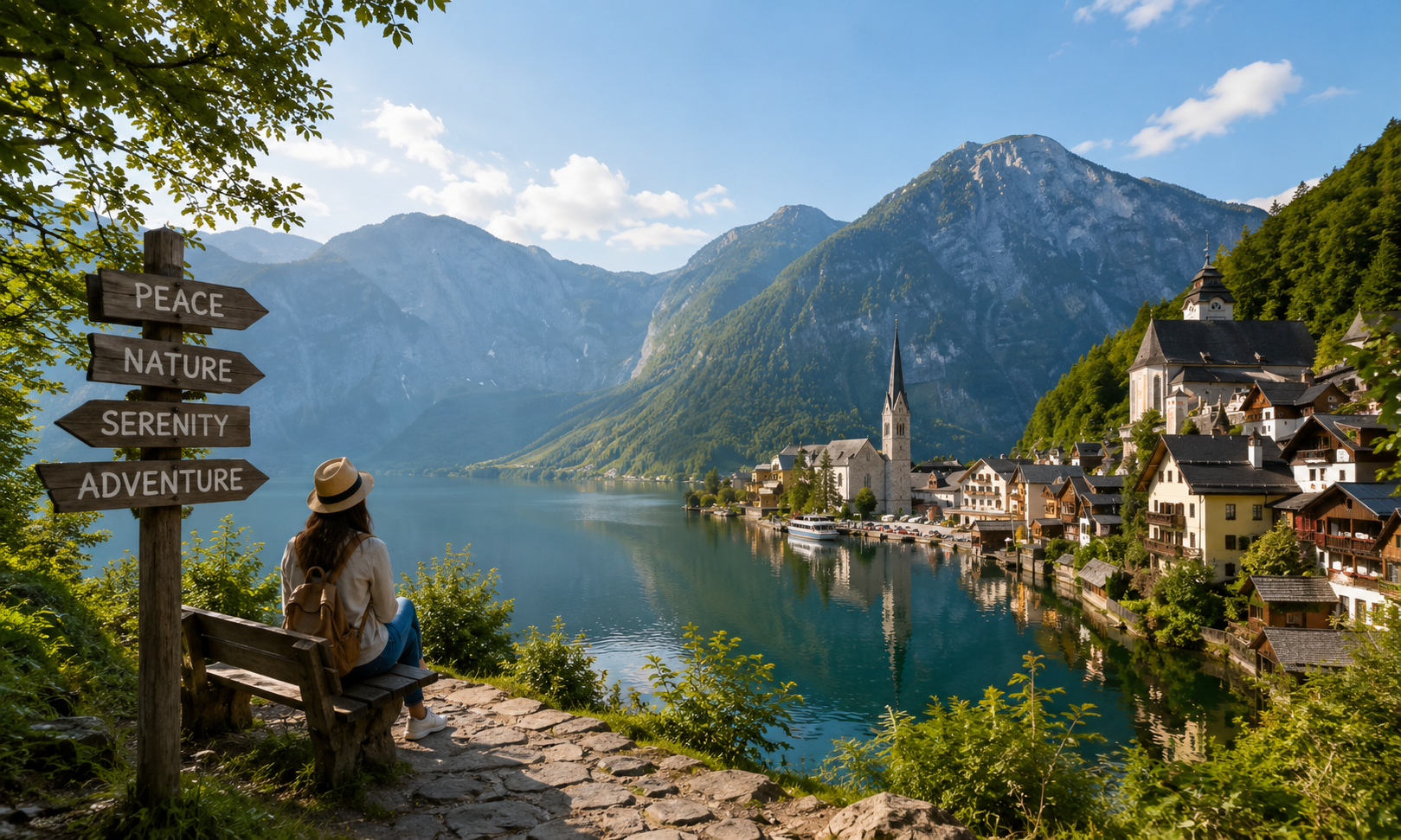
In 2026 the travel industry around the world is undergoing huge change. As more travelers look for offbeat options, they are finding places where you can experience aspects that are “off the beaten path” such as experiencing some real culture in a more authentic, but less touristy setting than the mainstream tourist hot spots. This seemingly emerging mode of travel, dubbed “anti-tourism travels,” is about discovery, and thus not about among countless numbers of tourists at popular sites.
Today’s tourists are looking for a different kind of trip, in search of the unique experience they had in their youth—and for reasons other than overture, as lower travel budgets may have made their destinies less desirable.Today’s travelers are willing to trade conventional and traditional notions of what makes a trip worth going for, whether it’s due to overtourism or cost, or because they want to make a taste of each destination unique to their experience. Inhabited by tourists with a sense of adventure and a desire for better experiences for their photographs than the more popular tourist spots offer, these hidden villages, remote coastal towns, emerging cities, and natural landscapes are luring visitors to cruise, take hikes, and travel in groups of less than ten.
What is Anti-Tourism Travel?
Anti-tourism travel is a conscious form of travelling where individuals’ wishes to avoid tourist and tourist traffic hot spots and opt for lesser known destinations. It is not about taking people out of tourism and ensuring they do not participate, but about having an authentic, sustainable and meaningful tourism experience in tourism destinations.
People who are open to this culture tend to focus on other aspects of the trip, such as the local culture, community service, ecology goals and unique experiences that are not available where tourists are more likely to focus on the commercial experience. For this reason, many absconded places are witnessing a surge in tourist interest in the future.That’s why, in 2026, many of the lesser-known places will be attracting more tourists seeking new experiences.
Why Anti-Tourism Travel Is on the Rise in 2026
Finally, but not least, the call against visits to certain areas has gained momentum once more with an increasing awareness of tourists as to where and how they choose to spend their time and money. They are looking for destinations to travel to that are not the same standard that has been advertised for many years and asking for pre-authentications settings on a more relaxed approach: more cultural connections rather than just for the sake of it.
1. Overtourism Fatigue
Numerous tourist hot spots around the globe have been “screwed up”. People tend to be crammed onto the roads, standing in line to obtain tickets, over-priced hotel rooms, and not having the time to get back to their destination and enjoy themselves uninhibitedly in order to visit attractions. These challenges have spurred people to venture beyond the popular tourist destinations and discover places that are not easily packed so that they don’t have to worry about being swarmed by a lot of people when travelling.
2. Social Media is Celebrating Hidden Gems
Social media has come a long way from the day of point and click “gakuen”. With the rise of travelers’ tastes for exploring somewhere else, remote villages, secret beaches, beautiful countryside breaks and off-the-beaten-path cultural experiences are being promoted. This change has made travellers think outside of the box and find that unique a place which can provide them with an authentic and genuine experience rather than just a ‘been there/done that’.
3. Real-life experiences count more than anything else.
As people get to travel these days, they increasingly value their travel more for the enjoyment of meaningful experience than checklist traveling. They wish to meet local people, but get to know traditional customs, eat regional delicacies and learn about the local culture. They are more likely to occur in places that are not as “touristy” and are hidden.
4. Sustainability is being influencing decision Making
In 2026 there is still much reliance on being environmentally aware influencing travel behaviour. Recognizing the strain experienced by local resources and ecosystems when millions of travelers are brought to a few locations, many travelers are making an effort to spread their travel across the entire nation.Many travelers know that putting a lot of people in a few places doesn’t scale to local resources and ecosystems. Analyzing travel statistics can also help to identify which destinations are less visited and how much of a tourism benefit that adds to the economy of the country.By analysing travel statistics, less-visited travel destinations can also be located and the economic benefits of this more broadly distributed.
Secret Places the Travelers Love to Visit
- Less congestion and a more relaxed journey.
- Improved chances for real cultural exchange.
- Reduce expenses for housing, transportation and fuel.
- Better support for local communities and businesses.
- Exotic experiences outside the mainstream of tourism.
Benefits of Anti-Tourism Travel
- Peaceful and pleasant sightseeing.
- More affordable prices than top tourist destinations.
- Deepened and enhanced relationship with the communities and culture.
- Less detrimental effect to deprived areas on overcrowded locations.
- Untouched stopovers and authentic stories.
Popular Types of Hidden Destinations in 2026
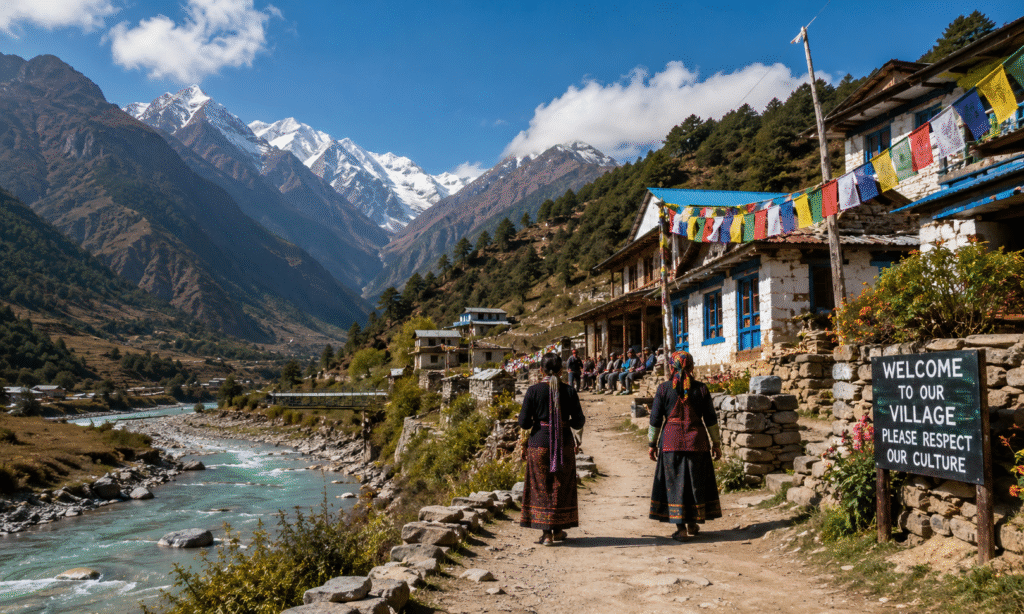
Not just limited to the typical travel ‘hotscouts’, people are learning about all kinds of unique trips to explore that are both adventures and authentic. It is these places that are becoming exceptional destinations – somewhere you can experience things that you can’t experience in a traditional tourist hotspot.
Rural Villages
The reputation of small rural communities is rising as travelers look for alternative and more meaningful experiences – where they travel at a slower pace. Those places are known for their authentic lifestyle, traditional cuisine, farm activities and their culture which, in most cases, is preserved and not quite ‘discovered’ by mass tourism. It will be a chance for visitors to taste authentic hospitality, and get to know local customs and traditions.
Challenges of Visiting Hidden Destinations
Traveling anti-tourism has numerous benefits but there are a number of elements the traveller needs to be aware of. Some places are not as well known, may lack the ability to transport travelers, not have much in the way of available accommodations, have language barriers, etc. or lack tourism development infrastructure. These challenges can be overcome by conducting proper research and allowing travelers to be flexible with their travel plans so that they can still be satisfied to return home.
Anti-Tourism Travel in the future.
Discussions regarding the anti-tourism campaign are likely to be ongoing in 2026 and the future. With improved digitized tourism channels, new remote work options and high-sustainability tourism ideas, hidden locations are becoming ever easier to explore. Tourism boards are also actively trying to promote lesser known areas to alleviate over tourism in popular areas so that both economically and ecologically balanced growth is promoted.
Pinwale’s Dam’s emergence as a popular respite from the tourist’s gaze over the past few years is just the beginning of its impact on the global touristic scene. hidden finds and places that aren’t normally seen will be a major feature of tourism, with their particular emphasis on authenticity and sustainability and a focus for travelers who prefer to take a budget-friendly trip for a more unique adventure.
Conclusion
In 2026, people are traveling in different ways from just going on vacation.In 2026, people are travelling differently from mere vacations – anti-tourism travel! As more tourists discover the advantages of off-the-beaten-path travel by bypassing the tourist spots, people are seeking to experience their destinations in ways other than those promoted by the tourist industry, from authentic cultural experiences to natural beauty, to not only the low cost, but also local communities’ attitudes toward their visitors. The trend is advantageous to both travellers and destinations through supporting sustainable tourism and to promoting a balance in the economic opportunities. With new options, beautiful places such as hidden destinations around the world are starting to be the first destinations that are selected.
Frequently Asked Questions (FAQs)
1. What is anti-tourism travelling?
Antitourism travel is making choices that are less mainstream and popular than those that are enjoyed by mass tourists and more presenting a less ‘tourist’ experience but one that is sustainable or ‘authentic’”.
2. How will this trend towards anti-tourism be justified?
Consumers are asking to travel in a less crowded environment, have a better value, to experience the authentic and to travel “green”.
3. Wouldn’t it be cheaper to not travel during the tourist season?
In many cases, yes. There’s a great deal to be found in hidden destinations that may still have lower prices for places to stay, food and activities – as opposed to big tourist hot spots.
4. Is there a danger for travellers that they’ll visit unknown places?
Even the most undiscovered ones are safe to visit as long as visitors conduct themselves safely and take the time to learn local news and observe.
5. What are some unconventional ways that travelers can discover places?
Another important way to find undiscovered areas is by reading blogs by locals, checking the tourism boards for the region and what they recommend, social media groups, and well-informed travelers.