
 By John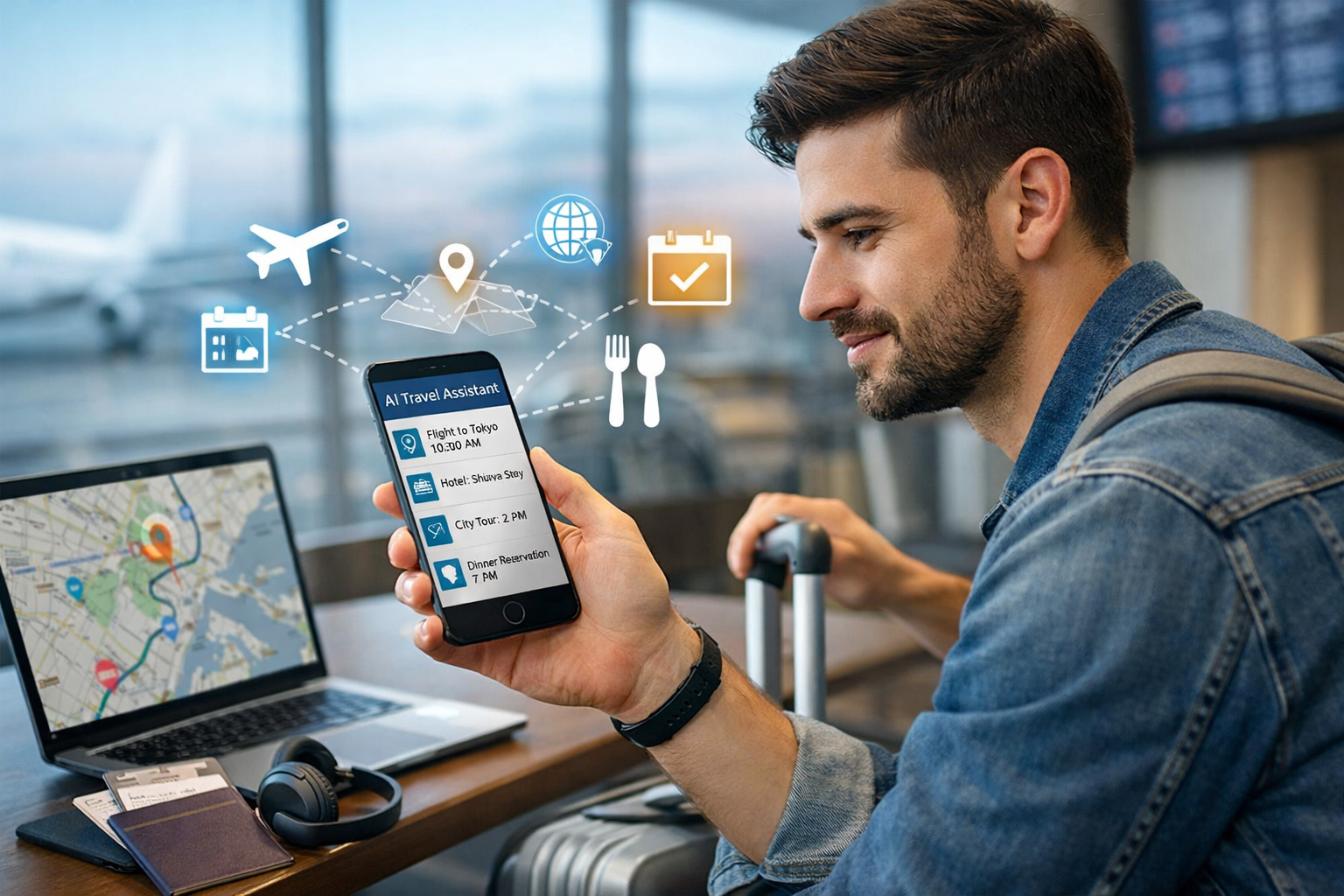
The world is undergoing a fast-changing development in the tourism sector as the high-tech technologies continue to reinvent the manner in which individuals move, visit sites, and engage in tourism services. Modern innovations are making travel convenient, personalized, and efficient with the help of artificial intelligence and smart traveling apps, as well as immersive virtual experiences. With the ever-evolving digital solutions, tourism in the future is expected to be safer, more efficient in terms of planning, and more sustainable.
Technology That is powering the Future of Tourism.
Technology is now one of the most influential agents of the tourism business. Nowadays, through the internet, travelers can do research on destinations and compare prices and reserve flights, hotels, and activities in a few minutes.
Artificial Intelligence (AI) is assisting travel industries to understand customer preferences and provide them with customized advice. Customers will be able to get tailored travel schemes depending on their interests, travelling history, and budgets. Such personalization enhances the total experience and assists the tourism companies in offering more services.
Travel services have also become efficient and reliable as data analytics are assisting tourism businesses in learning the behavior of traveling, forecasting of high seasons, and resource optimization.
Virtual and Augmented Reality Improving Travel Planning.
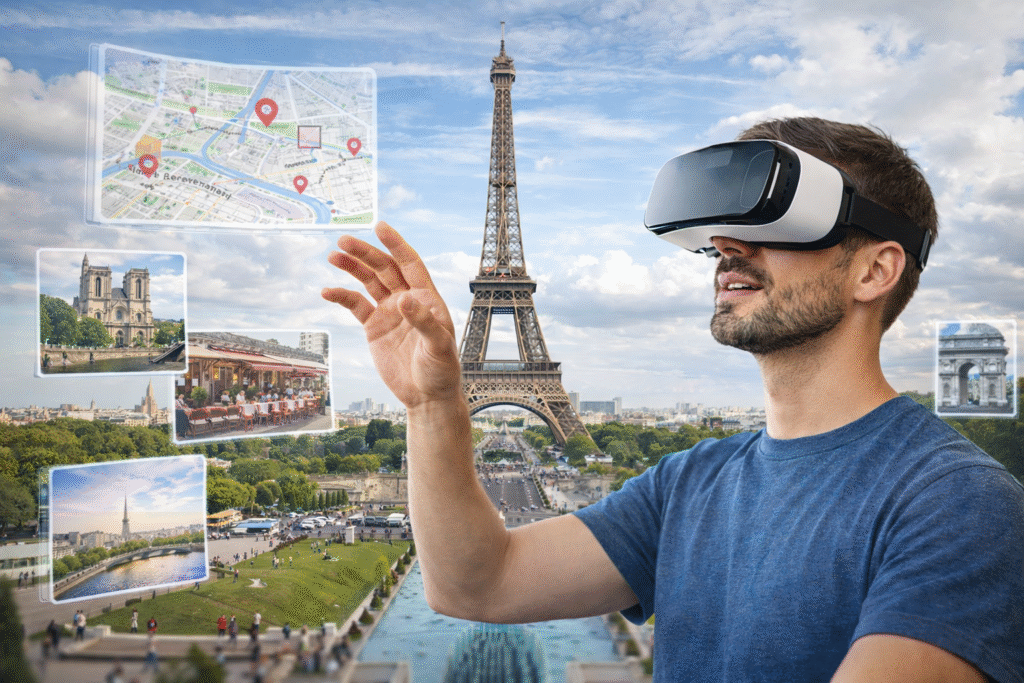
Virtual Reality (VR) and Augmented Reality (AR) are changing how tourists visit the destinations prior to making their reservations. VR enables users to visit places in a digital tour guide.
Using 360-degree videos or virtual tours, a traveler is able to view hotel rooms, tourist attraction sites, and historical locations. This will assist them in making better decisions in their choice of destinations and accommodation.
AR is also enhancing experiences in tourist sites. All a traveler needs to do is to point his/her smartphone camera at a monument or landmark to get access to historical facts, interactive guides, and multimedia information immediately.
Contactless Travel and Smart Airports.
Smart technologies are being embraced by airports around the globe in order to enhance customer experience. Waiting times and additional security are improving with the use of automated check-in kiosks, biometric verification, and facial recognition systems.
Contactless travel solutions have also been significant in contemporary tourism. Digital boarding passes, mobile payment systems, and automated baggage handling make it possible to travel through airports at accelerated and safer speeds.
These technologies are not only efficient, but they also add comfort and safety to travelers all over the world.
Sustainable Tourism: Powered by Technology.
Sustainability is a key concern in the tourism sector, and technology is assisting companies in becoming more environmentally friendly.
Hotels are using intelligent energy systems that automatically turn lights off, water on and off, and temperature on and off. The AI-driven route optimization is helping airlines decrease fuel consumption and carbon emissions.
Travelers are also being encouraged to make environmentally friendly decisions with the use of digital ticketing, paperless booking, and eco-friendly travel platforms.
The Ascendancy of Smart Travel Assistants.
Travel assistants and chatbots based on AI are gaining more and more popularity among travelers. These smart assistants assist their user to search for their destination, book their service, and get updated live.
Users can request virtual assistants to tell them about weather conditions, places of interest, and places to eat and how to get to those places. This immediate provision is beneficial to ease of access and lessen travel anxiety.
Chatbots are also being used by hotels and airlines to offer prompt customer service, which enhances overall customer satisfaction with traveling.
Top Technologies That Are Changing the Industry of Tourism.
These are some of the technologies that are significantly contributing to the future of travel:
- Artificial intelligence to plan travels individually.
- Immersive destination preview virtual reality.
- AR in the interactive tourist experience.
- Biometric security systems at the smart airports.
- Instant travel booking and update apps.
- Smart hotel management Internet of Things (IoT).
- Data protection and secure payment blockchain technology.
These technological advancements are contributing to the tourism industry being more innovative, efficient, and traveler-friendly.
The Future of Traveling Experiences.
In the future, artificial intelligence, autonomous transportation, robotics, and blockchain will also change tourism.
The autopilot cars can offer new transportation services to tourists, whereas the service robots can help with hotel services and airport services. Another way in which blockchain technology can be used in international traveling is to enhance the security of payment and identity verification procedures.
With more innovation technology will ensure that travelling will be faster, safer, and more pleasant to people travelling across the world.
Conclusion.
The tourism industry is undergoing a transformation brought about by technology. Innovation is enriching every bit of the travel experience, whether in personalized travel planning and immersive virtual tour experiences or smart airports and sustainable travel solutions.
With the rise of digital advancements, travelers will have an increased number of convenient and safe experiences. The future of travel is not only in going to new places but also in smart technologies that will make all travels easier, smarter, and more significant.
Frequently Asked Questions (FAQs).
1. What is the role of technology in enhancing the traveling experience?
Technology enhances traveling by offering quicker booking processes, customized travel advice, online navigational applications, and updates on the travel.
2. What is the position of artificial intelligence in tourism?
Artificial intelligence can be used to analyze the preferences of the travelers and automate the customer service by using chatbots, as well as generate a customized travel program.
3. What is the purpose of virtual reality in the eyes of the traveler?
Virtual reality will enable the tourists to be able to explore their destinations, hotels, and attractions online before they make a reservation.
4. What are smart airports?
Biometric identification, automated check-ins, and electronic navigation systems are among the technologies that are employed in smart airports to enhance passenger convenience and security.
5. What is the use of technology in sustainable tourism?
Technology plays a critical role in sustaining tourism through minimizing paper utilization and transportation routes, enhancing energy consumption within hotels, and marketing environmentally friendly traveling options.