
 By Admin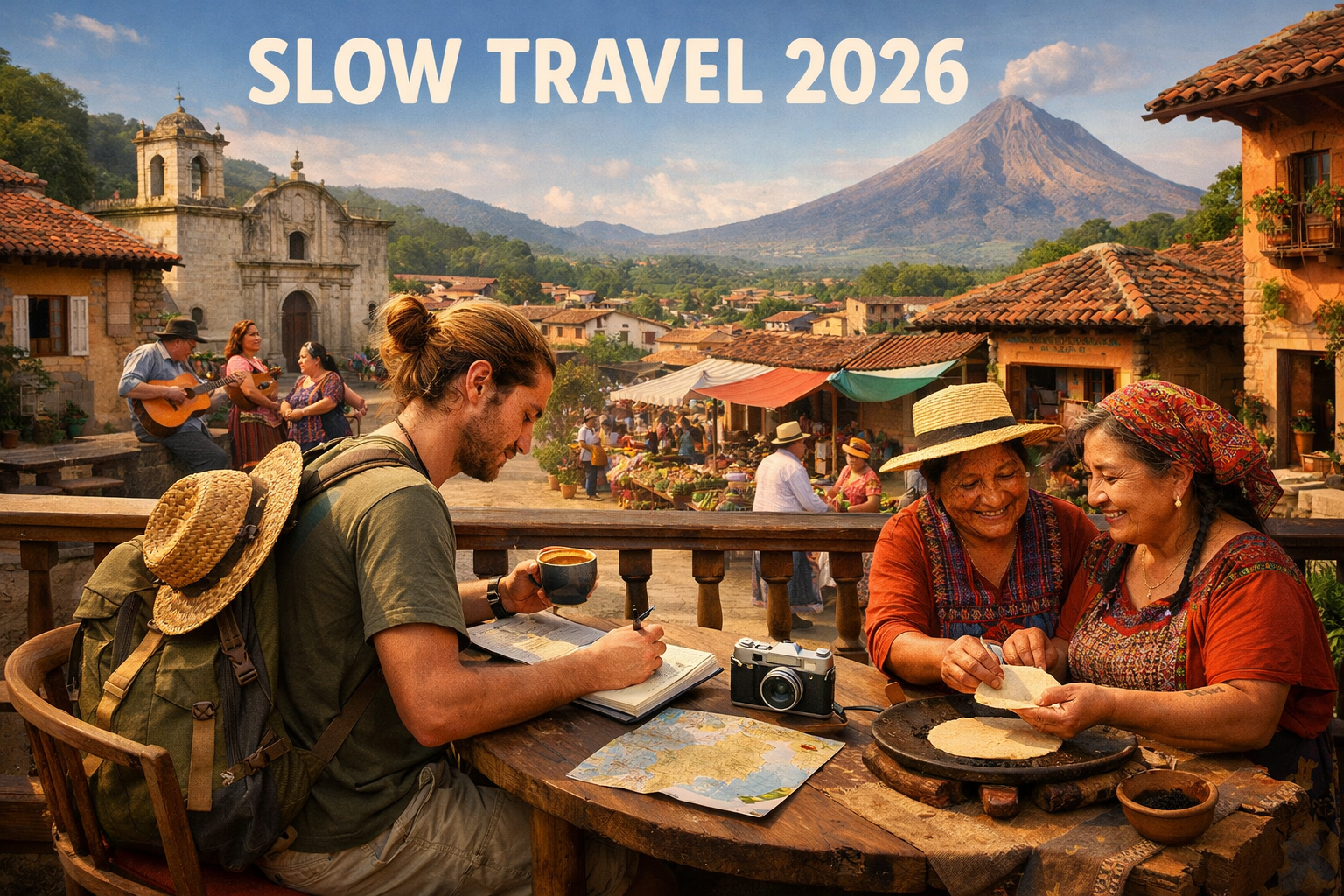
Travel patterns are evolving at a very high rate in 2026 with an increasing number of people abandoning the rush itineraries and scheduled congested itineraries. Travelers prefer to spend more time in a single destination and travel deeper instead of attending to more destinations in a limited time. The movement is called the slow travel and aims at profound experiences, instead of fast sightseeing.
Slow travel is more popular than ever, with remote work becoming the new norm, people becoming more conscious of the environment, and people seeking a mental rest. Tourists are no longer seeking to go to a destination, they want to experience it, learn about it and engage more with it.
What does the Slow Travel Movement entail?
Slow travel is a philosophy of traveling, which promotes a longer stay in a single place and makes it more relaxed. Travelers do not rush all over the tourist spots but instead they take their time to enjoy local culture, local food and daily lifestyle.
Important Slow Travel Features.
- Spending more time in a particular location.
- Travelling by local means such as walking and cycling.
- Helping local businesses and communities.
- Living the local culture, food and traditions.
Reducing environmental impact
Such factors enable the travellers to have a better relationship with the destination they are visiting and make their travelling more enjoyable and less cumbersome than in the conventional travelling.
The reason why Slow Travel is the next big thing in 2026.
Rise of Remote Work
The increase of remote jobs has enabled individuals to move without leaving their jobs behind. Most other professionals are opting to spend weeks or even months in a single place as they carry on with their work online. This has increased the feasibility and attractiveness of slow travel to the contemporary travelers due to this flexibility.
Focus on Sustainability
Travel decisions are more than ever dependent on environmental issues. Slow travel will also allow lessening carbon emissions by limiting the number of flights and promoting ecologically friendly transportation such as trains, bicycles, or walking. This makes it a conscientious option to conscious travelers.
Longing to have Authentic Experiences.
Tourists are no longer content with visiting the common tourist sites. They desire to have a feel of the real local life, not only in trying the traditional food but also in engaging in cultural practices. Travelling slowly gives them an opportunity to explore secret locations and to forge a real bond with the locals.
Mental Health and Well-being.
High-speed travelling may be quite tiresome as it involves moving around and having tight schedules. Slow travel is more conducive and conscious, and the traveller is able to enjoy the surroundings without being stressed. This will enhance well-being and enhance the enjoyment of traveling.
Slow Travel advantages.
Deeper Cultural Connection
When tourists hang around longer they get a chance to learn about local customs, language and way of life. This enhanced experience makes the traveling experience more meaningful and memorable.
Cost Efficiency
Slow travel is more affordable in fact. Extended stay can mean discounted hotel charges and lessened transportation expenses can save money. Travelers will also have access to cooking their own local meals or having meals in local areas at affordable restaurants, rather than costly tourist establishments.
Less Travel Fatigue
This may be exhausting both physically and mentally as one keeps moving to a new location. Traveling slowly removes this problem as it enables the traveler to relax and have a comfortable trip.
Environmental Impact
Slow travel can greatly decrease the environmental footprint of tourism by decreasing the number of flights and selecting more sustainable modes of transportation. It also helps the local economies, by promoting spending within small communities.
Slow Travel: How to do it.
Choose One Destination
Instead of having a trip with several cities, go to one and visit it to the full extent. This will give you the opportunity to explore the lesser known secrets and explore the location on a personal level.
Lodge in Local Hotels.
Instead of hotels, it is possible to choose homestays, guesthouses or rental apartments, which will offer a more authentic experience. It also assists in sustaining the local residents and businesses.
Travel Like a Local
Travelling by public, walking or even riding a bicycle is cheap and also helps to get a better insight into the life there day-to-day. It assists the travelers to relate more to the environment.
Get involved with the Community.
Attending the local festivals, markets, and cultural events would enable the travelers to forge relationships and have a better understanding of the destination.
Traditional Travel vs Slows Travel.
Traditional Travel
Traditional traveling is characterized by tight schedules, traveling across various places and an emphasis on seeing as many attractions as possible within a given period of time. Although it enables the travelers to visit more locations, it may be hectic and tiresome.
Slow Travel
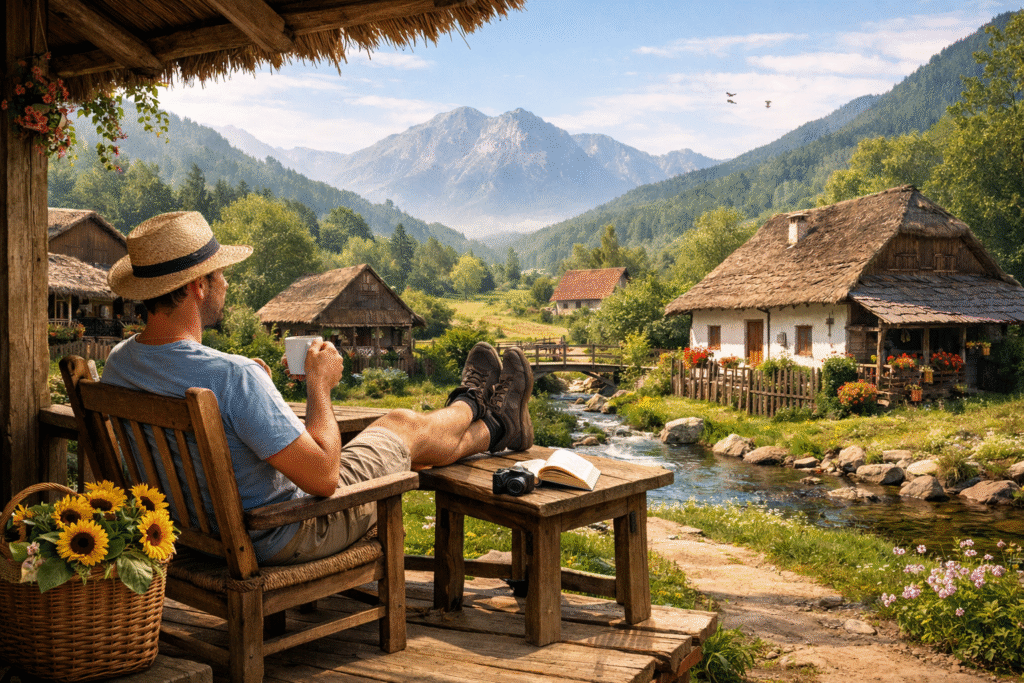
Slow travel, in its turn, is about quality experiences instead of quantity. It helps travelers to slow down, unwind and spend time at one place completely. This will make the traveling process more meaningful and enjoyable.
Slow Travel Future.
The slowing down of travel is predicted to keep increasing over the next several years. Remote work has become more widespread and sustainability is becoming a priority, so more travelers will switch to this method. Another way the travel sector is adjusting is through long stay, shared living and community based experiences.
Conclusion.
Slow travel will be making it possible to explore the world differently in 2026. It provides an invigorating contrast to the rushy tourism by emphasizing the deeper links, sustainability, and individual well-being. Slow travel is the future of contemporary tourism as an increasing number of travelers are interested in meaningful experiences.
FAQs.
1. What is simple slow travel?
Slow travel is about spending more time in a single location and enjoying it to the full rather than spending time on the road going to several places.
2. Are slow travel more costly?
No, it can be quite cheaper, as the prolonged accommodation and transportation are decreasing.
3. Who is to attempt slow travel?
Slow travel should be tried by anyone who wishes to have a relaxing, meaningful and engaging travel experience.
4. What should be the duration of a slow travel?
A sluggish travel journey will be between a few days to a few months according to your time and budget.
5. Does slow travel have an environmentally friendly character?
Yes, it will decrease the amount of carbon emissions and contribute to sustainable tourism.