
 By John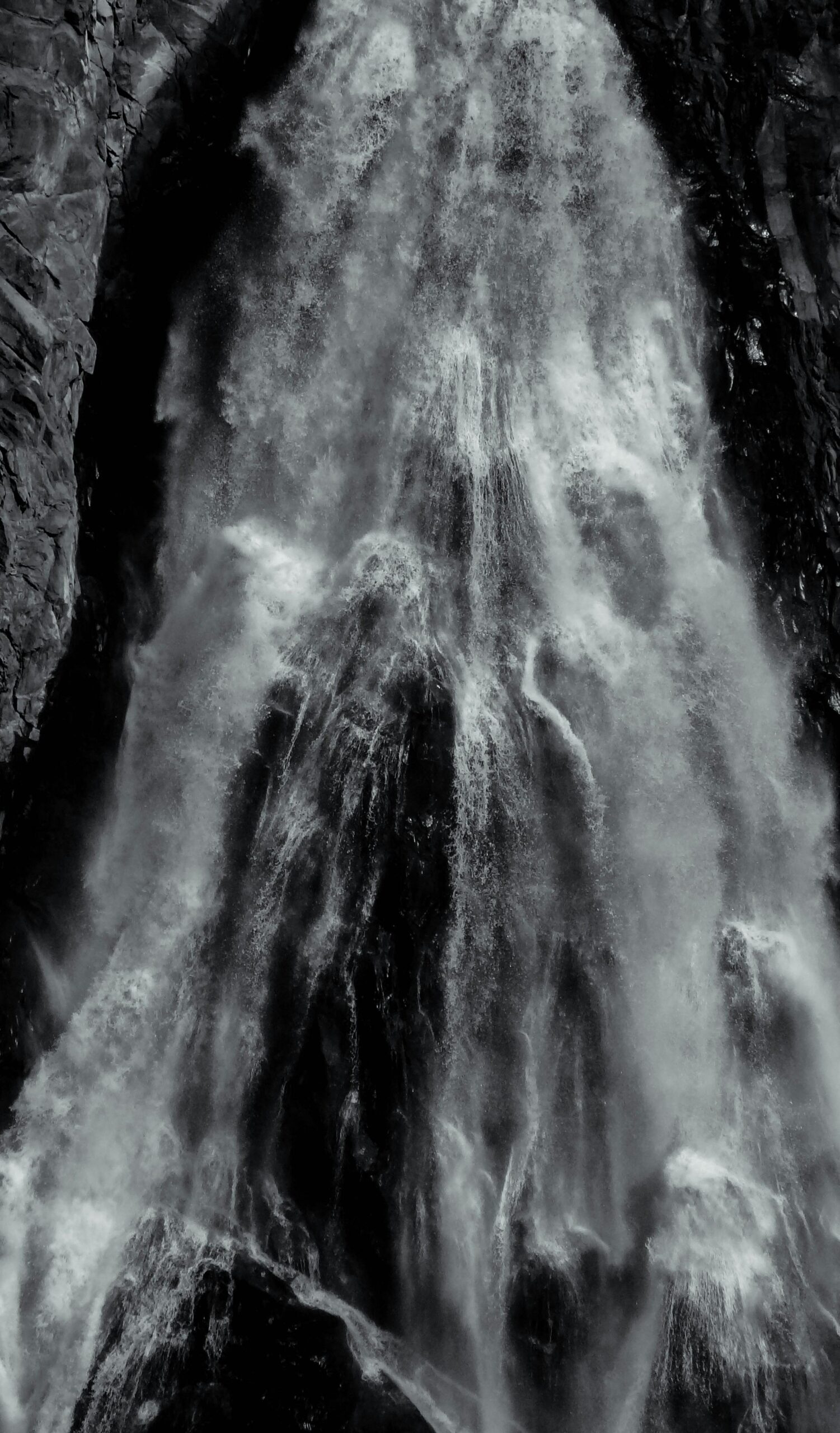
Arriving in Mexico always stirs a mix of visions and excitement, but nothing quite prepared me to confirm that Hierve el Agua truly exists as a geological marvel of nature. The short journey from Oaxaca City winds through dusty roads until the landscape suddenly opens, revealing what looks like petrified waterfalls frozen mid-flow. These formations, shaped by calcium deposits, spill over the cliff face and down toward the valley floor, creating a dramatic cascade that feels almost unreal. Standing there, I couldn’t help comparing it to places like Pamukkale or Saturnia, yet the sheer height and unique textures here give it a personality all its own. What surprised me most were the warm, mineral-laden pools resting atop the falls, where you can soak while staring out over the vast terrain—an experience that feels both grounding and surreal.
My day at Hierve el Agua followed an entirely different rhythm than the night before, a reminder of how travel is often about contrasts. Back in 2019, during what I still call my favourite stretch of exploring mainland Mexico, the trip wasn’t all smooth—there was even a great but unsettling mugging incident that sharpened my awareness. Yet somehow, moments like these pools overlooking the valley restore a sense of balance. The site invites slow exploring, letting you trace each mineral ridge and absorb the silence. It’s not just about ticking off a destination; it’s about feeling the terrain, reading its history in stone, and recognizing how rare it is to find a place where geology and emotion meet so vividly.
Wildest tree in mexico
On one of my visits to Hierve el Agua, I realized the experience doesn’t begin or end with the waterfalls—it’s also about what you choose to stop for along the way. A detour through the quaint town of Tule turns into an unexpected highlight. Here, a visit to the widest tree in Mexico, often claimed to be the largest in the world, feels like stepping into a quiet debate between folklore and science. There are signs nearby hinting that the jury is still out, and even a quick Google search pulls you into discussions about whether it deserves the stoutest title. Locals will tell you it’s been standing for upwards of 3000 years, while others point to a DNA test that tried to prove it might actually be multiple trees grown together over time—though the results came back negative, leaving the mystery intact.
What I appreciated most is how this spot holds its own charm without competing with the dramatic cliffs nearby. It’s a cool place to check out before or after the mineral pools, offering a slower, shaded pause in contrast to the exposed terraces of Hierve el Agua. As someone who tends to pack itineraries too tightly, I found this a nice way to break the trip, letting the journey breathe a little. The massive trunk, twisting and textured, invites you to circle it slowly, noticing details rather than rushing on—an experience that quietly reshapes how you think about scale, age, and the layered stories hidden within landscapes.
what to do at hierve el agua
The obvious place to start at Hierve el Agua is right at the top of the falls, where the first look at the mineralised pools instantly pulls you in; I remember pausing there longer than expected, just to gaze at the panoramic views stretching across the valley. Most bathers instinctively dip into the water, which feels surprisingly cool but is something you quickly get used to, especially if you enjoy swimming in places that feel a little unreal. The real thrill, though, is inching toward the edge, looking out over what appears to be a solidified waterfall, a sight that plays tricks on the mind and reminds you why Hierve El Agua is probably the coolest natural infinity pool on the planet.
Go hiking
If there’s one thing I always recommend, it’s finding a local guide who can truly help you explore the wider area, because hiking here is the best way to understand Hierve el Agua beyond the obvious viewpoints. Standing at the top of the falls is impressive, but it’s only when you descend that the beautiful sheer scale is fully appreciated from below. There are several trails leading toward the base, where paths meander through dry scrub and across the valley, dotted with hardy cacti that somehow thrive in the harsh terrain. What I found most striking is how popular routes can still let you enjoy moments of peace, especially when the landscapes stretch out without interruption, giving you space to absorb the quiet rhythm of the place.
Enjoy a lovely local meal
One of the best parts of my Airbnb Experience tour was an unexpected stop at a local household for lunch, right after visiting Hierve el Agua and its striking waterfalls. It’s hard to explain how much more meaningful the trip feels when you can enjoy a truly scrumptious, home cooked meal prepared on a traditional stone stove top, where the aroma of fresh herbs mixes with slow-cooked, tender meat. I still remember watching home-made tortillas being shaped by hand—simple, rhythmic, and deeply rooted in quintessential Mexican cooking—a process that feels like an act of love rather than routine.
Taste some mezcal
What stayed with me long after leaving Hierve el Agua was how the hosts turned a simple Mezcal tasting into something far more generous and deeply involved, offering endless samples that somehow didn’t feel overwhelming but instead built toward a big night of discovery. It gave me a well-rounded view of every variety known to man, each one carrying subtle differences that felt fascinating once you understood how it’s made. By the end, I didn’t just taste it—I began to gain a real appreciation for the spirit, shaped by tradition and time, far beyond anything I’d experienced in the past.
Practical stuff
Entry fee
What caught me slightly off guard at Hierve el Agua wasn’t the landscape this time, but how modest the entry fee felt for such a remarkable place—when I visited, it was just 25 MXN, a small detail that somehow added to the authenticity of the experience, reminding me that not every unforgettable destination comes with a hefty price tag.
Getting to hierve el agua
- Driving through Mexico turned out to be one of the most flexible ways of exploring, especially since I had a rented car and could take my time on the curvy road leading to the petrified falls; the overall condition wasn’t bad, but it definitely keeps you alert in a way that adds a bit of adventure to the journey.
- A more common option is joining a Tour bus from Oaxaca, where you’ll notice plenty of people touting Hierve el Agua tours; these sizeable buses packed with tourists make it easy for seeing the site quickly, though from experience, I wouldn’t recommend this if you’re after a more personal pace.
- I found that going smaller, even traveling independently, creates a much quieter experience, giving you space to really spend time soaking in the surroundings and connecting with local experiences rather than rushing through viewpoints.
- One standout was booking Small group trips through Airbnb Experiences, where the visit was highly rated; I joined a couple of stops including the waterfalls, and having a dedicated driver included made everything smoother, even adding a spontaneous hike to the base.
- The entire day was covered in a single cost of around 700 MXN, which isn’t the cheapest route but feels like a small luxury when you consider the insight shared by guides, the relaxed pace, and the full 12 hour opportunity to explore—it genuinely felt worth every bit of it.
What to bring
- For Bathers planning on swimming in the pools at Hierve el Agua, preparation matters more than you’d expect; I learned quickly that bringing a Hat and sunscreen isn’t optional under that open sky, and having Plenty of water on hand makes the experience far more comfortable.
- Footwear is something people often underestimate—good Shoes designed for hiking make the walk down to the base of the falls much easier, especially since the terrain can shift between dusty and uneven without much warning.
- One practical detail that caught me off guard was the need for Cash, since everything from the entry ticket to small purchases is handled on the spot; even simple things like food around the area are usually payable only this way, so it’s worth planning ahead.