
 By John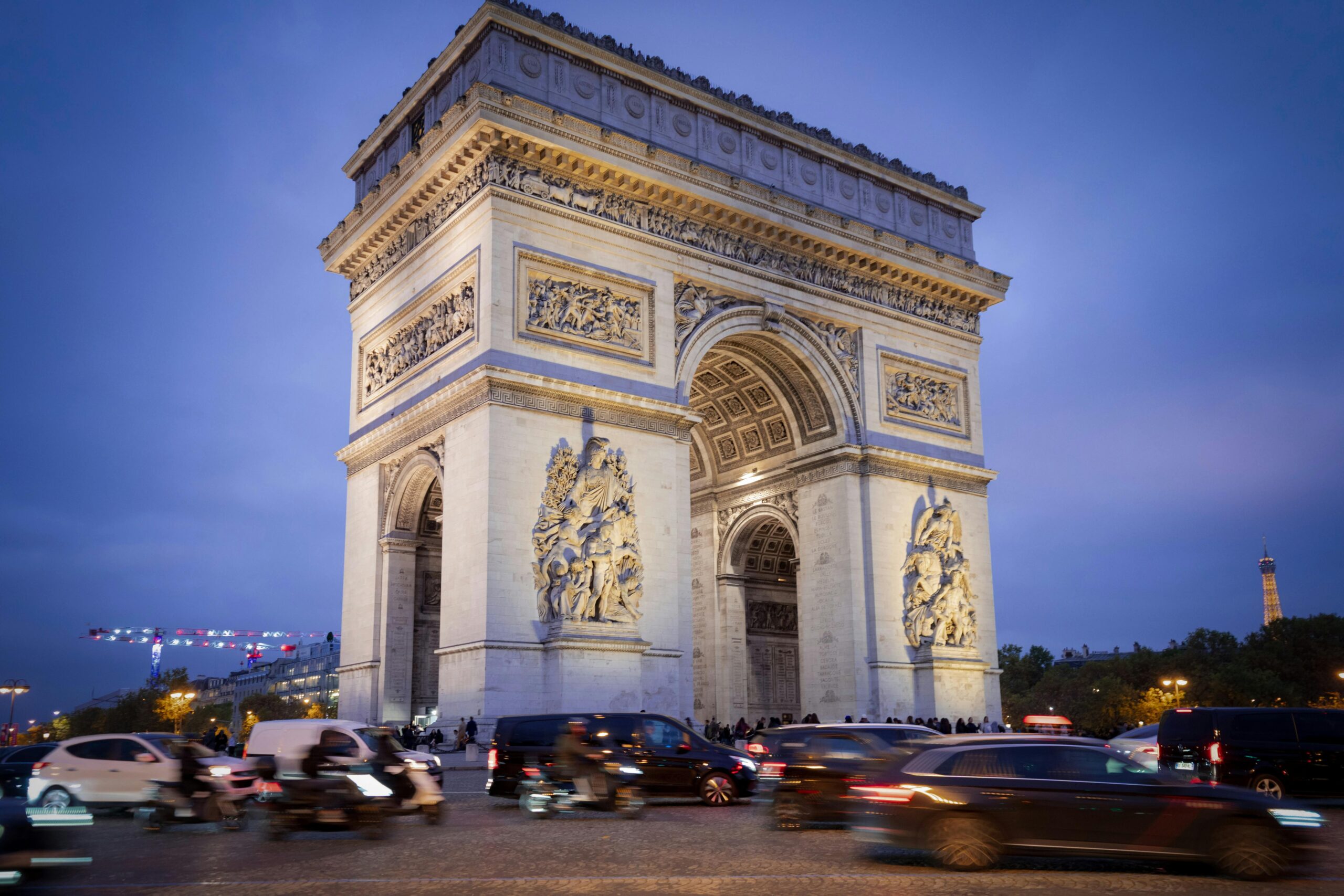
Walking through Paris, I remember the first time I truly understood its nickname—the City of Light, or Ville lumière—not just as a poetic label but as something rooted in a very early transformation during the 19th century, when it became the first European city to adopt widespread gas lighting across its streets innovation that genuinely improved safety and allowed a more vibrant nightlife, something you can still feel today while wandering along the Seine after dark; but what struck me more, especially after spending time in its museums and cafés, is how later the city’s role as a center of intellect, art, and the Enlightenment quietly solidified the name, turning “light” into more than illumination—it became a symbol of ideas, curiosity, and creative energy that seems to glow just as brightly now as it must have back then.
why paris is the city of lights tldutravel in details
Gas Lighting Innovation
In the early 1800s, what fascinates me most about Paris isn’t just its beauty but how deliberately it was implemented as a modern marvel, rolling out a massive network of gas lamps designed to illuminate the streets in a way no other place had quite achieved before; walking there at dusk, you can almost sense how pioneering it must have felt to experience such a consistently well-lit city, where darkness no longer dictated movement, and from my own late-night strolls, it’s clear that this shift wasn’t just practical—it reshaped how people lived, explored, and connected with the urban space.
The Age of Enlightenment
What always stands out to me when reflecting on Paris is how its nickname quietly reflects more than just physical brightness—it carries a deeper meaning tied to its historical status as a hub of education, art, and philosophy, where conversations once felt almost electric with new ideas; sitting in a small café near the Latin Quarter, I could almost imagine the echoes of thinkers who contributed to enlightening Europe, shaping not just the city’s identity but influencing an entire continent’s way of thinking, which makes the “light” here feel intellectual as much as it is visible.
100 Best Travel Destinations 2026: Hidden Gems, Iconic Cities, and Must-Visit Places for Every Traveler
To be honest, when I expect a little weekend trip to truly change how I think about must-see places, it’s rarely the obvious ones that deliver, and that’s something I’ve repeatedly noticed—a place that looked almost ordinary in photos can suddenly feel like pure magic once you’re there; it’s almost funny how often I’ve been surprised by the people I’ve met, some of whom even made entire life decisions after visiting a city during the 2026 year, which is why if I had to pick between soulful smaller towns or noisy bucket-list hotspots, I’d say this article is less about ticking boxes and more about how you walk into the best travel destinations lists, mixing iconic sites with those hungry-for-discovery corners of the world, where I try to share real tips, small
mini-stories, and even a few links so you can dig deeper into places that don’t just look good on paper but stay with you long after you leave.
Why some picks keep showing up and why others don’t
I’ve come to believe that the reason certain places keep reappearing in even the most established guides has less to do with hype and more with what truly begins to matter to both editors and local experts, especially now that sustainable tourism and unique experiences—like hidden festivals or newly added flight routes—quietly influence how we pick top lists; for example, a reputable travel guide often publishes a yearly roundup of destinations that reflect the ever-shifting traveler interests small, and from my own experience, sometimes the most honest secret destination suddenly surges because a local chef opened a restaurant or a tiny festival went viral, which reminds me of when I met a woman in Lisbon who had moved after a six-day food trip, fell in love over coffee, and simply stayed—these quiet, calm, deeply human stories are exactly why these lists continue to evolve.
A handful of global standouts mini-stories included
Machu Picchu why the ruins still feel alive
I still remember walking along the ancient terraces at dawn, when the mist hadn’t fully lifted and it genuinely felt like stepping into a living memory, and what’s almost funny is how this site sits so quietly high in the Andes yet carries a presence that’s hard to explain; part of that comes from its remarkable preservation, now internationally recognized, which makes even the most curious traveler pause and consider its protected status, shaped by strict visitor rules and its UNESCO listing, where even the smallest details of management ensure the surrounding natural setting remains as powerful as the history itself.
Santorini the postcard that keeps evolving
I once missed the famous sunset in Santorini, but instead got wonderfully lost in a tiny pottery shop, and honestly, it turned out to be a better memory than any postcard moment—the island may be endlessly photogenic, with its clifftop villages that seem frozen in time, which is why it continues to stay on everyone’s list, yet what lingers with me are the quiet views, simple food, and long caldera walks that feel almost timeless; seasoned travel planners often note that while peak season can feel overwhelmingly crowded, the softer rhythm of the shoulder months turns everything into something close to gold.
Kyoto temples, tea and micro-moments
What keeps Kyoto appearing on new lists and 2026 roundups isn’t just its temples but the way its quiet neighborhoods hold onto seasonal rituals that feel untouched by time; I once watched an elderly gardener carefully prune a bonsai beside a temple, and it genuinely felt like I had crashed a centuries-old ritual, where the beauty wasn’t in grand sights but in small moments like these, which is exactly why people continue to return.
Reykjavik cold, quirky, wildly photogenic
What makes Reykjavik quietly compelling right now is how it’s constantly surfacing on itineraries thanks to its easy access to wild landscapes paired with an offbeat urban culture that comes alive at night; on a total whim, a friend and I once chased the northern lights just outside the city, drove for three hours, and it felt like the whole trip had shifted into something unforgettable, the kind where you just pack layers and don’t over-plan because the magic tends to find you anyway.
Trends shaping the 100 best travel destinations 2026
- I’ve noticed a quiet shift toward micro-cities and towns that are steadily rising, with travelers genuinely loving smaller places that offer strong food and art scenes—take Utrecht, for instance, which is getting real buzz as a relaxed alternative to bigger European cities, and from my own visits, the slower rhythm feels far more personal than the usual crowded stops.
- There’s also a clear pull toward nature-forward choices, where remote national parks and protected areas are trending because people want space and more meaningful nature experiences, something even TIME picks for 2026 seem to highlight, especially those wild, off-the-grid places that feel untouched and refreshingly real.
- At the same time, world heritage and preservation still matter deeply, with UNESCO sites that remain reliable anchors on global lists, not just for their beauty but because they’re culturally and ecologically important; they continue to show a kind of love for history, and I often find the World Heritage List itself becoming a surprisingly useful planning resource when mapping out meaningful journeys.
How I’d choose 10 out of the 100 my method, quick and messy
My Pick always starts with just two categories I genuinely love—food and nature—because I’ve learned I travel better when I follow what I actually enjoy rather than what looks perfect on paper; then I Choose one established icon so it feels complete, the kind of place that grounds the whole list in something familiar yet essential. From there, I Add three small towns or lesser-known cities, since those are usually where the real character hides, and I’ve found they often end up being the most memorable part of any trip I plan.
Next, I Add two wild nature spots, because I’ve noticed I always need that contrast—something raw, quiet, and unfiltered to balance out the urban energy. Finally, I Keep one flexible slot open
for a last-minute bargain flight, which, in my experience, is where the best unplanned stories tend to happen, even if the rest of the list falls apart in the most unpredictable way.
Want practical tips? Here’s a short travel-playbook for 2026 plans
- I always Book in the shoulder season because there’s less crowd pressure and everything feels better, especially when prices don’t spike the way they do in peak months.
- I always Check official listings for heritage sites, national parks, and entry rules, because ignoring conservation notices or skipping UNESCO updates—even on official park sites with current rules—can quietly derail a trip faster than expected.
- My planning style is to Mix old favorites with oddballs so the route stays balanced, which makes the whole itinerary feel more alive, keeps the trips exciting instead of exhausting, and avoids that checklist fatigue I’ve personally run into on overpacked journeys.
- I always Consider slow travel, with longer stays and fewer flights, because in my experience that’s what leads to deeper connections, both with places and the people you meet along the way.
Final tiny story before you Go
On a rainy afternoon in a small mountain town, I once ducked into a bakery, sat beside a local who recommended a hidden trail, and the next morning I walked through fog so thick it made even the bland hill feel like a completely different place; it’s worth mentioning that these are the kinds of people and secret moments that turn an ordinary day hike into a favorite memory, the kind of discoveries that feel deeply human and entirely unplanned, often coming after a long scroll through the 100 best list, where what truly matters isn’t how many places you count but the chance moments you’re surprised by along the way.