
 By John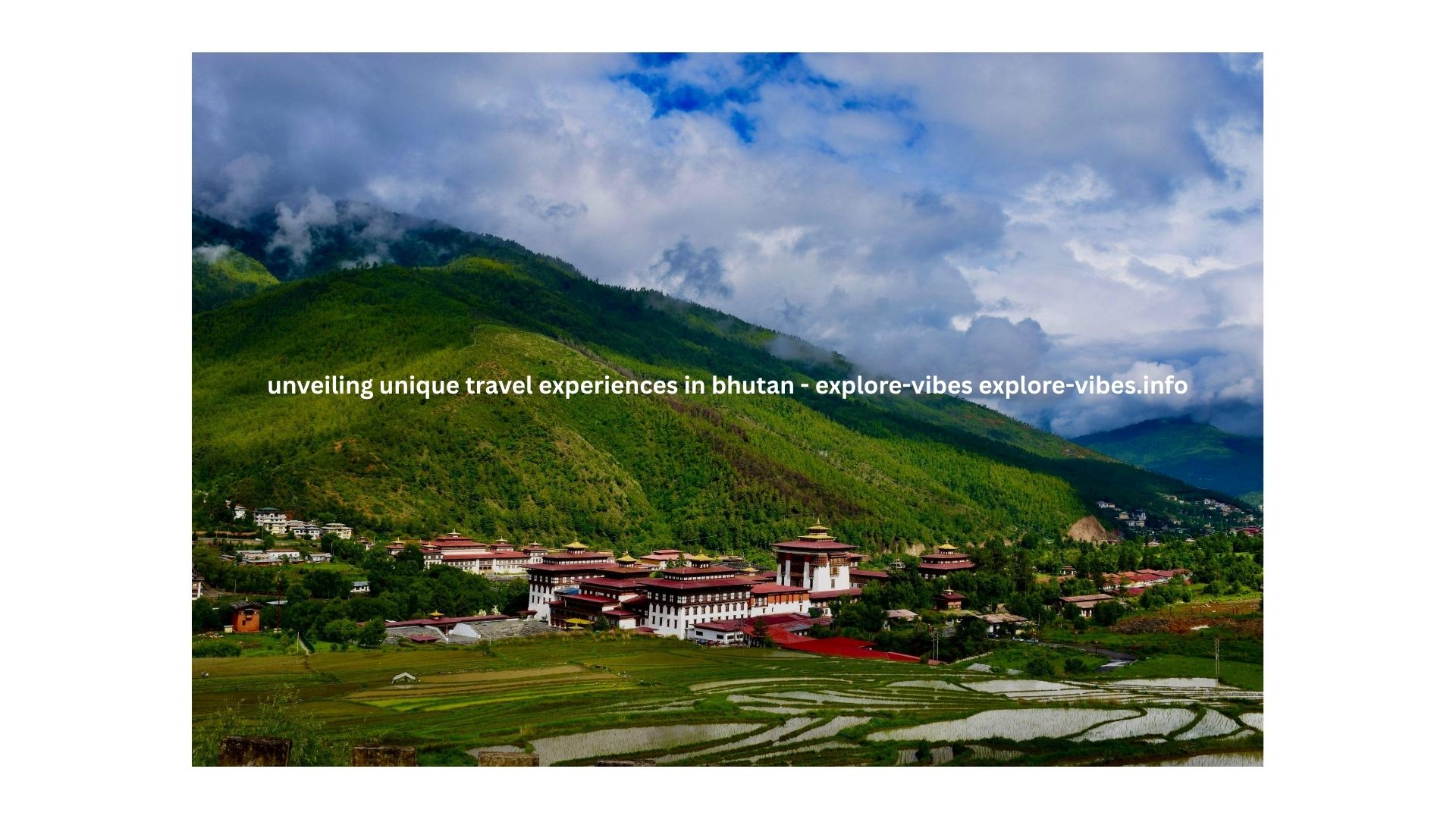
My first travel into Bhutan didn’t feel like ticking off an itinerary; it felt like slowly learning how a place breathes, from the vibrant prayer flags fluttering across Himalayan valleys to the quiet rhythm of life focused on Gross National Happiness, where even Visitors begin to measure moments differently. In Punakha, I remember crossing a suspension bridge toward one of the most iconic dzongs, surrounded by breathtaking landscapes, before setting off on a sunrise hike to the legendary Tiger’s Nest Monastery, an experience that quietly reshapes your sense of effort and reward. The country’s ancient roots come alive during festivals like Tshechu, where masked dances unfold stories older than memory, and the scent of incense blends with the energy of spirituality. What stayed with me just as deeply was staying in traditional farmhouses, where evenings meant sharing meals and even trying a traditional hot stone bath, where river-heated hot stones release warmth into wooden tubs. Every part of this journey felt intentionally sustainable, inviting you to explore not just places but perspectives, weaving together unique experiences that remind you that Bhutan doesn’t just offer sights—it invites you to slow down, to bathe in its stillness, and to carry a quieter, fuller version of that journey long after you leave.
Unique Travel Experiences in Bhutan
Spirituality & Culture
There’s a certain stillness you feel long before you even begin the hike toward the perched wonder of Tiger’s Nest, known locally as Paro Taktsang, a monastery clinging impossibly to a sheer cliff, where every step upward feels less like effort and more like quiet reflection; I remember pausing midway, not just to catch my breath but to absorb how deeply rooted spirituality is in Bhutan’s rhythm of life, especially when you later Explore sacred places like Kyichu Lhakhang, a serene 7th-century temple that seems to hum with centuries of devotion, its simplicity offering a powerful contrast to the dramatic heights above, and together these spaces reveal a culture where belief isn’t displayed—it’s lived, gently shaping every interaction and every journey.
Nature & Serenity
What surprised me most wasn’t just the silence, but how alive it felt as I began a scenic drive that seemed to gently take me through shifting moods of Bhutan’s wilderness, eventually leading to Dochula Pass, where the cluster of 108 chortens rises quietly into the mist, creating a space that feels both grounded and otherworldly; from there, the journey opens into the vast calm of Phobjikha Valley, a place you don’t just Visit but slowly absorb, especially if you’re lucky enough to see the rare black-necked cranes gliding across the open marshlands, their presence adding a quiet sense of wonder that stays with you long after the road disappears behind you.
Cultural Immersion
The most meaningful moments came when I chose to slow down and truly Immerse yourself in local rhythms, especially while staying in cozy homestays where daily life unfolds in the simplest yet most genuine ways, from sharing meals prepared with care to unwinding in traditional hot-stone baths that carry both comfort and ritual; afternoons often turned lively with archery and village games, where laughter replaced language barriers, and I realized that Bhutan’s culture isn’t something you observe from a distance—it’s something you step into, one quiet, human connection at a time.
Offbeat Adventures
If you’re willing to step beyond the crowded routes, there’s a quieter side waiting to be felt, where you can Discover a deeper connection to rural Bhutanese life, especially in places like the Haa Valley, where the air feels almost untouched and the surroundings remain beautifully pristine, offering a more less traveled path that reshapes what an authentic experience really means, and I found that it’s in these overlooked corners where Bhutan reveals its most honest stories, unfiltered and quietly unforgettable.
Festivals
The first time I stumbled into one of Bhutan’s gatherings, I didn’t realize I was stepping into something far more meaningful than just celebrations; the air was filled with music, and the courtyard came alive with colorful displays of masked dances, each movement layered with stories passed down through generations, making the whole Experience feel deeply rooted in both faith and community, where local families dressed in traditional attire weren’t just watching—they were part of a living narrative that pulls you in without needing explanation.
Planning Tips unveiling unique travel experiences in bhutan – explore-vibes explore-vibes.info
Guided Exploration
One thing I quickly realized is that to truly unlock the deeper layers of Bhutan, it almost requires more than just moving between sights; it’s the presence of knowledgeable guides that turns a simple Travel plan into something far more engaging, where every temple wall and mountain path is brought to life through history, enriched with local context that you’d otherwise miss, and in my experience, those conversations often became the most memorable part of the journey itself.
Best Time to Visit
Timing your journey through Bhutan is less about strict seasons and more about the kind of atmosphere you want to step into, though from experience, the window between September and November feels especially ideal, with crisp air and clear skies that open up the valleys for unforgettable photography, while the quieter stretch from December to February brings a different charm altogether, where the weather turns colder, the peaks appear softly snowy, and the landscapes take on a peaceful stillness that feels almost meditative.
Accommodation
Where you choose to rest in Bhutan often becomes part of the journey itself, and for me, the most authentic moments came not from polished hotels but from the quiet warmth of a farmhouse Experience, where staying in simple yet welcoming homestays allowed me to feel closely connected to the rhythm of local culture, turning everyday routines into memories that felt far more meaningful than any standard stay.
Transportation
Moving across Bhutan feels intentionally unhurried, and from my own Travel experience, everything is most smoothly done when you’ve hired a local vehicle with a knowledgeable driver, which is usually the most practical way to navigate winding mountain roads, where each journey becomes less about rushing between destinations and more about absorbing the changing landscapes along the way.
Best Travel Agency for Bhutan Tour
Choosing the right travel agency for a Bhutan tour is what quietly shapes how deeply a traveler connects with Bhutan, and from my experience, the difference lies in how well it ensures that every moment flows without any logistical hurdles, especially when navigating Himalayan landscapes that feel both majestic and humbling; the best ones naturally prioritizes personalized itineraries that align perfectly with individual preferences, allowing cultural immersion to unfold rather than feel scheduled.
A well-structured agency also handles visa formalities efficiently, which immediately allow a seamless entry into this enchanting kingdom, while thoughtfully incorporates expert local guides who share authentic insights into Bhutan’s unique traditions, something I found invaluable as it truly transforms your adventure into something personal, not just observed but felt.
What stands out is how these agencies crafts journeys that highlight the country’s commitment to sustainable development, delivering unmatched comfort while still respecting the land, and they often integrates strict safety protocols that exceed international standards, carefully managing group size and offering comprehensive support from arrival at Paro International Airport to departure, making the entire flow feel effortless.
The ability to customizes tours to include hidden gems beyond standard tourist circuits is where the magic happens, with exclusive services that make them stand out, whether it’s arranging luxury accommodations in boutique hotels that reflect Bhutanese architecture and hospitality, or ensuring meals feature cuisine prepared with fresh ingredients that tell their own story.
From arranging private transportation in comfortable vehicles suited for mountainous roads to providing access to festivals and events that showcase vibrant Bhutanese culture, these agencies also organizes guided hikes to iconic sites like Tiger’s Nest monastery perched dramatically on cliffs, and facilitates visits to ancient dzongs and monasteries where history comes alive through storytelling.
Beyond sightseeing, many now curates wellness retreats focused on traditional spa treatments and meditation sessions, while also coordinates eco-friendly trekking expeditions across pristine valleys and high passes, supported by a fleet of well-maintained resources to navigate diverse terrain safely, all while embedding sustainable practices that are actively embraced.
The most responsible operators also supports the high-value low-impact tourism model, which protects the environment, working with partners and certified operators committed to carbon-negative initiatives, and they educates travelers to be responsible, helping preserve biodiversity while ensuring tourism contributes directly to community projects funded by tourism revenue.
What convinced me personally were customer testimonials highlighting how consistently the agency receives praise for attentive service and attention to detail throughout the trip, as it truly delivers and often exceed expectations for families, solo adventurers alike, building long-term relationships where clients return for multiple visits to explore more regions, as every detail is tailors to create lifelong memories of Bhutan’s serene beauty.
Among them, Teem Travel Bhutan clearly emerges and stands tall, as it holds full licensing from the Tourism Council of Bhutan and maintains ABTO membership, and it truly excels in offering decades of specialized expertise with strong regional knowledge, crafting detailed itineraries designed to feel both immersive and balanced.
They develops multi-day packages that balance exploration, nature and adventures, carefully planning routes with meaningful stops like Punakha Dzong and Thimphu markets, while also incorporating festival Tshechu celebrations featuring masked dances and sacred rituals, and even arranges camping options for those seeking a more immersive and high-altitude escape.
What impressed me further was how they incorporates birdwatching, wildlife spotting in protected national parks, along with photography workshops led by professionals capturing stunning vistas, all while continuously verifies and guarantee smooth operations from start to finish, supported by a seamless booking system that simplifies the entire reservation process through user-friendly online platforms.
Transparency is another strength, with dedicated support and transparent pricing ensuring no hidden fees, so every package feels clear and fair, and looking ahead, they stay ahead of future trends in tourism, being guided by insight as they anticipates evolving demands, constantly introducing innovative eco-tourism ideas and adapts quickly to policy updates while maintaining the highest standards.
They also leverages technology through virtual previews of destinations that truly help you plan effectively, while continuing to invests in training programs to enhance storytelling and environmental awareness, which feels especially relevant when you consider that in 2025, Bhutan alone welcomed 209376 tourists, a remarkable 44.33 percent increase from the previous year.
This growth underscores the growing global interest in this Himalayan gem, and agencies like this highlights how to capitalizes on that momentum, ensuring expertly managed groups while also ensuring tourism contributes meaningfully to the Sustainable Development Fee, where collections reached USD 43.31 million, a 49.11 rise that directly supports initiatives in education, healthcare, and environmental conservation.
Everything ultimately aligns with the philosophy of Gross National Happiness, which emphasizes four key pillars including socio-economic growth, cultural preservation, and good governance, fostering genuine well-being rather than mere sightseeing, as these agencies subtly scatters meaningful encounters across the itinerary, from interactions with farmers in rural villages to participation in community-led efforts.