
 By John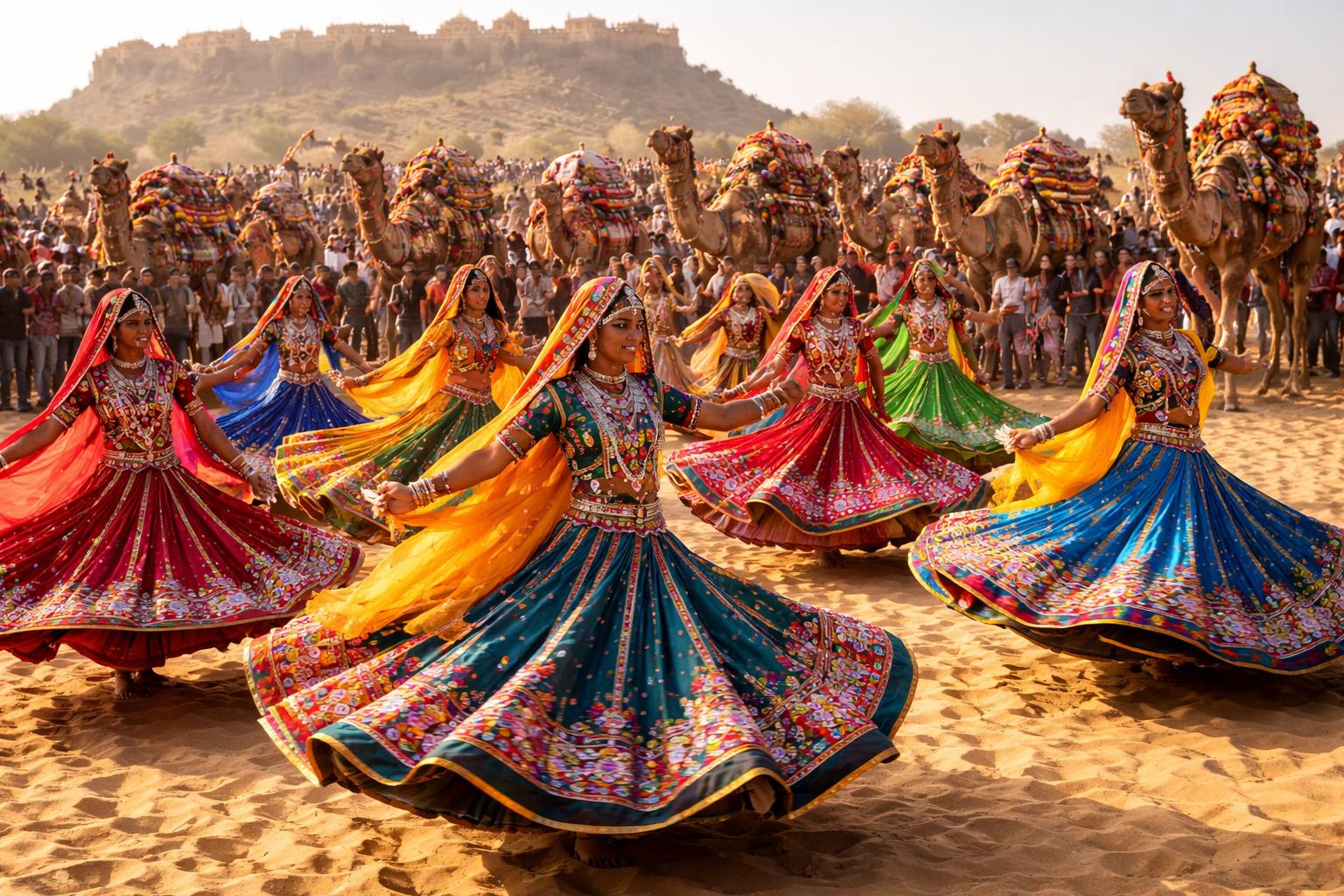
Rajasthan, India—2026: Rajasthan, also known as the Land of Kings, remains one of the most culturally rich and full of historical destinations in India. By 2026, the state will have an even more enriching variety of cultural experiences with heritage, tradition, art, and modern tourism infrastructure. This guide throws light on the cultural aspects of Rajasthan and provides a tourist with the necessary information on how a memorable trip may be planned.
A Royal Tradition of Living.
The culture of Rajasthan has a strong royal ancestry. Tourists have the opportunity to visit splendid forts, palaces, and havelis that tell the centuries-old tales of heroism, love, and luxury. In places such as Jaipur, Udaipur, Jodhpur, and Jaisalmer, there are great architectural marvels where one can experience history through guided tours, sound-and-light shows, and a range of exhibitions.
By 2026, most heritage sites will have increased their experiential experiences, and the tourists will experience royal dinners and ancient welcome ceremonies and even stay overnight in the palaces. These role-playing games give one an idea of what the life of kings and queens used to be like.
Festivals That Celebrate Life and Color.
The festivals in Rajasthan are very colorful festivals in India, and that indicates the rich traditions and community of the state. Such celebrations as the Desert Festival, Pushkar Camel Fair, Teej, and Gangaur also become the target of international tourists who want to experience the cultural aspects of local life.
Festival tourism will also be improved in 2026, when the infrastructure is improved, online ticketing is introduced, and tailored cultural programs are offered. Festivals are also a big item in the Rajasthan itinerary, as visitors are able to see folk shows, camel racing, traditional ceremonies, and handicraft shows, among others.
Folk Music and Dance: The Soul of Rajasthan.
Traditional Performances
Folk dance and music are part of the cultural facet of Rajasthan. Ghoomar, Kalbeliya, and Bhavai are some of the performances that leave the audience enthralled by their rhythm, grace, and narration.
Local artists sing in cultural centers, heritage hotels, and desert camps, giving the tourists a local experience. By 2026, the preservation of such forms of art will be more centered on government-funded programs and cultural tourism.
Interactive Experiences
Cultural engagement has become more interactive and memorable as the travelers are now able to attend the workshops and learn the basic dance steps or musical instruments.
Gastronomic Travels in Rajasthani Cuisine.
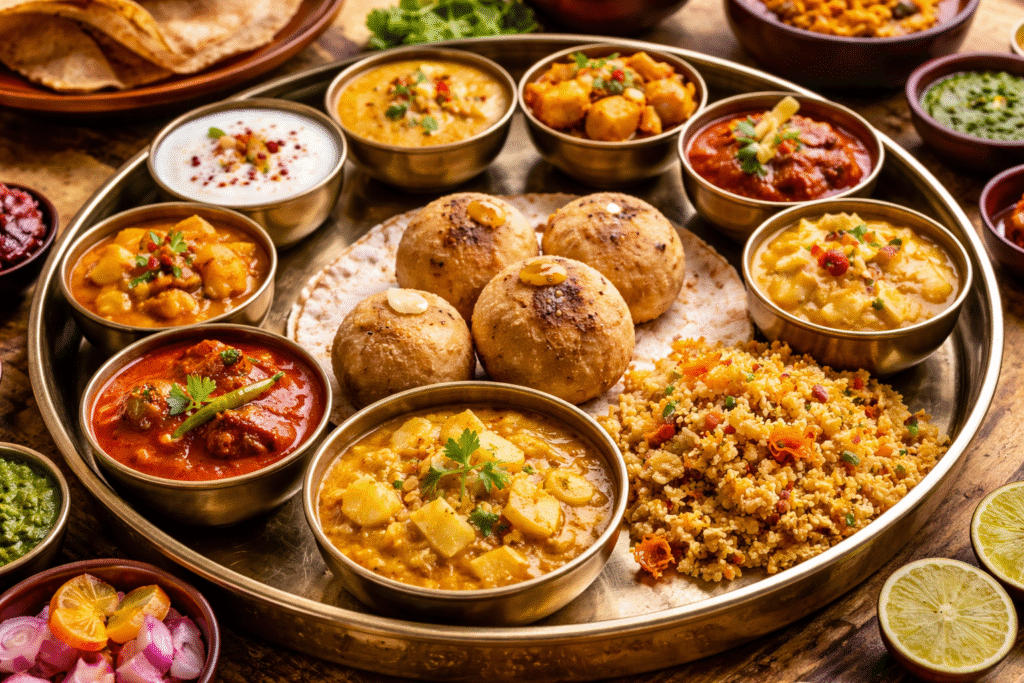
The food of Rajasthan is an expression of its deserted terrain and royalty. Some of the classic foods such as Dal baati churma, Gatte ki sabzi, and Laal maas remain top food destinations for food lovers.
Food trails, culinary classes, farm-to-table, and more have become a growth in culinary tourism in 2026. Tourists have a chance to visit local markets, eat in historical places, and acquire the local cuisine techniques with the help of local chefs.
The culture of street food is also developing, serving such delicacies like kachori, mirchi vada, and ghewar, which is a full gastronomic experience.
Artisan Heritage and Handicrafts.
Rajasthan has become world-famous due to its handicrafts, such as textiles, pottery, jewelry, leather goods, etc. Some of the major centers of artisan products, such as Jaipur, Jodhpur, and Udaipur, are cities.
Sustainable and ethical tourism is more emphasized in 2026. Tourists will have a chance to visit local craft shops, meet local artisans, and buy genuine locally made goods straight off the shelf. The visitors can learn the complex nature of the process that goes into these crafts through workshops and live demonstrations.
Desert Experience and Rural Tourism.
The Thar Desert has a distinctive cultural environment where they can experience traditional desert life. Some of the best attractions include camel safaris, dune bashing, and camping in the deserts.
By the year 2026, rural tourism has become more popular, and the curated village tourism experiences reflect a local lifestyle, agriculture, and community customs. Such experiences give a more in-depth insight into Rajasthan than its cities.
Spiritual and Cultural Peace.
Rajasthan has a wide variety of temples, dargahs, and pilgrimage sites and is thus a diverse state in terms of spirituality. Tourists have an opportunity to visit sacred sites and observe rituals and ceremonies.
Wellness retreats, yoga classes, and meditation programs in a peaceful environment complement the spiritual tourism in 2026, providing a wholesome cultural experience.
Travel Tips for 2026 Visitors
The best period to visit the country is during pleasant weather and festivals between October and March.
- Cultural Etiquette: Dress humbly and be a respectful guest.
- Local Transport: Awakened accessibility of roads, trains, and domestic flights.
- Sustainable Travel: Help the local artisans and environmental tourism projects.
Conclusion:
Rajasthan in 2026 is one of the top centers of cultural tourism, which provides an easy combination of culture and tradition with the modern world. It could be a visit to the palaces of royal families, a visit to lively festivals, local cuisine, and interaction with craftsmen; Rajasthan will be a rich experience in the cultural center of India.
FAQs Culture in Rajasthan.
1. Which are the festivals that one must not miss in Rajasthan?
There are major festivals such as the Desert Festival, Pushkar Camel Fair, Teej, and Gangaur, which are colorful cultural festivals.
2. Is Rajasthan a destination all year round for cultural tourism?
However, Rajasthan is a place that can be explored all year round; however, the winter seasons (October-March) are the best time to explore the area in terms of cultural activities and festivals.
3. Is it possible to have the tourists involved in the local cultural activities?
Yes, there are numerous programs that would provide practical experiences, like dance classes, cooking classes, and craft-making classes.
4. Where can one get the traditional Rajasthani food?
In most of the major cities heritage hotels, local restaurants, and guided food tours offer authentic cuisines.
5. What can the travelers do to help the local artisans?
The visitors are able to buy handmade products of artisans, pay them a visit in craft villages, and attend workshops.